

What Betting Line Movement Means Before Kick-Off
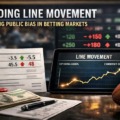
A betting line is a price. It opens where a bookmaker thinks the market will accept it, then moves as information and money arrive.
For anyone checking markets through vippari, the key is not every small change but the reason behind it. Team news, heavy action, weather or a rush of tickets on one side can all move a number.
The opening price is the first version of the market. The closing price reflects confirmed teams, fitness updates, weather, public betting and larger wagers.
What Actually Moves a Price
Three forces matter most.
Information is the clearest. A starter ruled out, a goalkeeper change, a late injury or a waterlogged pitch can move a football 1X2 or total quickly.
In the NFL, a quarterback being ruled out can move a spread by several points within minutes. The book is simply pricing a different event.
Liability builds through betting activity. If most tickets land on a favourite, the book may shorten that side. Ticket count alone is not enough, though. A few large wagers can outweigh hundreds of small ones.
Respected action works differently. If a market-making book moves first and others follow within minutes, the market is usually rejecting the original price.
Sometimes the juice moves before the main line. A spread of 3.0 at even money is not the same bet as 3.0 with a heavier price on the favourite.
Steam, Drift and Reverse Movement
A steam move is fast and appears across several books. One side shortens quickly, often because the original number was too generous. By the time the move is everywhere, the best price is usually gone.
A public drift is slower. Popular favourites, home teams and televised sides attract small bets through the day, pushing the book to adjust.
Reverse line movement is different. The public backs one side, but the price moves toward the other. That can suggest larger or more respected money is landing against the popular choice.
A move at only one bookmaker is weaker evidence. Promotions, temporary limits or boosted prices can distort one screen.
Why the Final Hour Matters
Football line-ups usually arrive around one hour before kick-off, and player markets can react sharply.
If an expected striker is left out, first-scorer, shots and shots-on-target prices should move. Totals may also change. A defensive midfielder returning can support a lower total, while a late goalkeeper change can move it the other way.
Weather can do the same. If an outdoor total shortens after a new wind or rain forecast, the reason is visible. If there is no forecast change, money is the more likely cause.
Checking updated markets through vippari indir can therefore be more useful than relying on a price posted hours earlier.
Related Markets Tell You More
One market rarely moves alone.
If a favourite shortens from 2.10 to 1.90, the handicap should usually react too. If attacking team news drives the move, totals and player props may change as well.
The same logic works across sports. A missing scorer affects props more than the full-match line.
A quarterback absence can move the spread, total and team total. A tennis withdrawal affects the moneyline, set and game markets.
Cross-checking related markets helps separate information from noise.
Use the Closing Line as a Check
The closing line is the most complete price before the event starts. It is not a prediction and does not guarantee the result.
Before placing a pre-match bet, three questions are enough:
- Did the line move because of news, money or both?
- Did the handicap, total or player market move with it?
- Is the current number still based on the same match you analysed?
If you regularly take a better price than the close, your timing may be good. If you consistently arrive after the number moves against you, the problem is probably the process, not one unlucky result.
Line movement is a record of what happened after the opener. Reading it well means knowing which changes matter and which are just noise.



Leave a Reply
Want to join the discussion?Feel free to contribute!