
A Guide to Market Rasen Racecourse
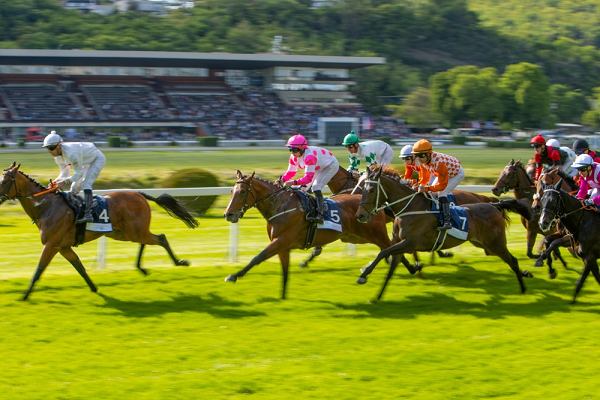
Set on the edge of the Lincolnshire Wolds, Market Rasen Racecourse has become a familiar part of the county’s sporting life.
It is not one of the largest courses in Britain, yet it holds a steady place in the calendar and draws visitors from across the region.
The course is known for its relaxed setting and a programme that runs through much of the year.
Racing here centres on National Hunt events, and while the sport is often linked with winter, this venue has built a name for summer meetings that feel a little different.
Origins and History
Racing in Market Rasen did not begin at the current site. Meetings were held on various patches of land from 1828, often linked to local fairs and seasonal gatherings.
A more structured setup arrived around 1920, when a permanent racecourse was opened on Willingham Road after a group of local investors secured the land.
The first ever meeting at the brand new venue took place on Easter Monday, which was a more formal structure that would allow for the venue to host more elaborate events over time.
20th Century Growth and Development
The racecourse changed around the time of the 20th century, which was shaped by both disruption and growing ambition for the site.
During the 2nd World War, the venue was occupied by the military, pausing all racing until 1946, with several racing fixtures to follow in the years to come.
By the late 1960s, it had expanded from a handful of meetings to a fuller calendar, helped by investment and a clearer long-term vision for the venue.
Notable Races and Historic Moments
Among the many fixtures held here, the Summer Plate meeting stands out as the highlight of the year.
First run in 1995, the race has grown in status and now attracts strong fields during the July meeting.
It forms a part of a wider summer schedule that has helped to redefine the course and its identity.
It introduced summer jump racing during the 1990s, bringing more attention and showing that the sport can still very much thrive outside of the traditional winter setting.
Influential Racecourse Figures
One name appears repeatedly in the story of Market Rasen. Victor Lucas was the man who oversaw the course from 1946 up until his death in 1971, leaving a lasting mark on the site’s layout and direction going forward.
He was mainly responsible for key features like the paddock and stands, which are still a major part of the visitors’ experience today.
His efforts have also helped to expand the number of race days, ensuring that the facilities remained active within the highly competitive British racing scene.
The Racecourse Today
Today, the course hosts more than twenty meetings each year and offers a mix of racing and entertainment.
Alongside traditional fixtures, there are themed events, family days,s and well-attended holiday meetings such as Boxing Day.
Facilities have been developed to suit a wide audience, with dining options, private boxes, and open enclosures that create a more informal atmosphere.
The venue is also used for concerts and gatherings beyond racing. Conversations around racing often extend beyond the track itself, with some enthusiasts following major events across the calendar and occasionally referencing things like horse racing odds as part of broader discussions about form and competition, although these are only one small aspect of how races are viewed.
Economic and Community Importance
The racecourse plays a small, yet relatively important role in the local area of Lincoln.
It brings in new visitors to the town who help support nearby businesses and provides a venue for events that extend way beyond just sports-related.
It is a space that can be used for conferences, weddings, and even community activities, which makes it a place that is needed for more than just racing alone.
In a rural county, this kind of flexible venue helps sustain both tourism and local engagement throughout the year.
Challenges and Changes
Like many smaller courses, Market Rasen has had to adapt to shifts in the sport. Attendance patterns have changed, and there is more competition for people’s time and spending.
The course has had to respond in a way that offers a variety of events as well as gradually improving facilities, while still keeping the traditional racing focus, which helps to bring in new visitors.
Being able to balance the heritage of the site with modern expectations is an ongoing mission across the horse racing industry that is continuing to evolve as demands increase.
The Future of Market Rasen Racecourse
Looking into the future ahead, Market Rasen racecourse appears to continue to build its reputation in the local area as well as nationally.
Recent investments and centenary milestones have brought renewed attention, while generations have passed down the tradition of visiting the venue.
The main challenge will be to keep attracting new spectators without losing any of the characteristics that allow the site to stand out.
If that balance is maintained, Market Rasen should continue to hold its place in British racing for years to come.



Leave a Reply
Want to join the discussion?Feel free to contribute!