Welcome to the Honest Betting Reviews blog. Here you can find the latest updates on betting systems and tipsters currently under review as well as our tips on how to beat the bookies with the best winning betting systems we have profited from,

World Cup: Which Groups Could Offer Up the Most Shocks?

Estadio Azteca, the site of the World Cup’s opening game. Photo by Guido Coppa on Unsplash

The 2026 FIFA World Cup is almost here. June 11th marks the fabled date.

That’s the day when co-hosts Mexico will welcome South Africa to the Estadio Azteca in Mexico City to raise the curtain on football’s biggest party.

Across the five weeks that follow, an increased number of 48 nations will be whittled down to just two, who will then do battle at MetLife Stadium in a bid to be crowned world champions. But the road to the final is always one that is littered with banana skins.

Just ask four-time champions Germany. They experienced their finest hour back in 2014 when they won the World Cup for the first time as a unified nation in Brazil, downing Lionel Messi’s Argentina 1-0 in the Rio de Janeiro final after Mario Gotze’s last-gasp winner.

Since then, they have experienced back-to-back group stage exits, with stunning defeats to South Korea in 2018 and Japan four years later spelling the end.

Fast forward to 2026, and a number of groups at the World Cup look ripe for an upset. But which ones should bettors have their eyes on, not only to potentially cash a big underdog winner, but also to avoid a favourite who could fall victim to a stunner?

Let’s take a look.

Group I

France have reached each of the last two World Cup finals, beating Croatia 4-2 on that rainy afternoon in Moscow in 2018, only to fall short in their bid to defend the gold when they were beaten by Lionel Messi’s destiny-bound Argentina in Qatar four years later.

This year, online betting sites have made them genuine contenders once more.

The latest odds from Lucky Rebel Sportsbook position Les Bleus as the 6/1 second-favourites to lift the famous gold trophy for a third time at MetLife Stadium on July 19th, but if they are to do that, they will have to make their way through arguably the most difficult group at the entire tournament.

Dider Deschamps’ men are the overwhelming 2/5 favourites to top Group I, but they will have to be at their very best if they are to live up to the billing.

The returning Norway are considered their biggest threat to the top spot, and with the prolific Erling Haaland leading the line, they will certainly be no pushover.

The Lions thumped Italy home and away in qualifying — with the 4-1 triumph in the San Siro the Azzurri’s biggest home defeat in 70 years —  en route to securing their World Cup return for the first time since 1998.

Their talismanic striker hit a mighty 16 goals in just eight games along the way, and he is currently a 14/1 fourth-favourite to finish the tournament as top scorer.

Then there are recent AFCON finalists — or champions, depending on who you speak to — Senegal.

The Lions of Teranga famously upset then-defending champions France in the opening game of the 2002 World Cup in Japan and South Korea, winning 1-0 in arguably one of the greatest upsets of all time.

With a menacing strike force consisting of names such as Sadio Mane, Nicolas Jackson, Ismaila Sarr, and Iliman Ndiaye, they will fancy their chances of upsetting the French once again.

Group F

The Netherlands are the heavy 7/10 favourites to top Group F. Veteran centre back Virgil van Dijk remains elite, Barcelona’s Frenkie de Jong is in the heart of the midfield, while winger Cody Gakpo has already shone at the World Cup before.

Add to that the blistering form of Roma striker Donyell Malen, who has 13 goals in 16 Serie A games since arriving in January, and the Oranje will fancy their chances.

But alongside them in Group F comes perennial underdogs Japan. The Blue Samurai always finds a way to spring the upset at the World Cup.

Four years ago in Qatar, they famously beat both Germany and Spain en route to topping their group, while they also squeezed through as group runners-up in Russia in 2018.

In fact, they have reached the knockout round in three of their last four trips to the tournament, and they will certainly have their eyes on the top spot.

Then comes Sweden, who arguably had the strangest route of anybody to North America.

They lost four of their six qualifying games, drawing the other two, netting just two goals along the way.

However, their impressive performances in the UEFA Nations League earned them a playoff spot, and then, Arsenal’s Viktor Gyokeres would come to the fore.

He netted four goals across two playoff games to ensure that the Blågult made good on their second chance.

The Swedes haven’t been eliminated at the group stage since Italia ’90, reaching the knockout rounds in all four of the tournaments they have qualified for since then.

With Liverpool striker Alexander Isak returning to full fitness, an ageing Dutch defence could have a rough time handling Sweden’s unquestionable firepower up top.


Why Are Branded Bingo Games Becoming a Bigger Part of Online Entertainment?

There’s a big reason why online bingo appeals to such a wide demographic and makes its land-based counterpart pale in comparison.

The sheer variety on offer at these sites is astounding, and operators have done their best to offer games that will attract all player types.

One of the biggest trends in recent times has been the rise of branded games.

These titles are based on popular franchises from television, and the fact that they are instantly recognisable makes them highly appealing.

What Are Some of the Biggest Brands in Bingo?

There are a few major brands that have managed to branch out into bingo and offer players some familiarity.

For example, players can find bingo games with Deal or No Deal and Britain’s Got Talent themes, with the iconic branding on the game screen and bingo cards.

When players see these names, they immediately associate them with themes like suspense and prizes, meaning that they fit well in the bingo scene where players are hoping to also win prizes.

These brands also thrive because they offer a sense of community. The shows have become staples of British culture, and people who watch them enjoy the fact that they are among many others getting behind someone and willing them to succeed.

That means when players enter the chat rooms of these games, they find themselves playing alongside likeminded people.

As bingo is a quintessentially British pastime, it makes sense to have some of the best British shows as themes for the rooms.

Certain Shows Are Perfectly Adaptable to Other Forms of Entertainment

Deal or No Deal may have an incredibly simple premise, but this is one of the main reasons why it was able to become such a rip-roaring success.

It’s also why it’s so easy for the franchise to pivot into other forms of entertainment, as it can use that basic box opening idea elsewhere.

It suits bingo because both formats rely on suspense, anticipation, and the possibility of a prize reveal.

It can also add special features to the game, such as the Banker’s Offer-style bonus.

Britain’s Got Talent is another brand that can easily be transformed into related games, thanks to its iconic auditorium setting with the huge stage.

Game developers can immerse players in this setting and make them feel like they’ve entered the competition as a contestant.

How Could These Games Be Enhanced Further?

With these branded bingo games being particularly popular, developers will be seeking ways to enhance them further in the future.

One way to do that could be through the introduction of live hosts, designed to replicate the buzz created by the likes of Stephen Mulhern on Deal or No Deal and Ant and Dec on Britain’s Got Talent.

It could also be interesting to see if these games introduce virtual reality elements. If this happens, players could feel like they have entered the studios of these popular shows.

There are a few factors that make branded bingo games so popular. The familiarity aspect of these big brands clearly plays a big part, but they also succeed because players know what they are getting.

When joining these rooms, players know that they are going to be surrounded by people with similar personalities.


Sports Betting Forecasts in 2026: Smarter but Still Imperfect

Sports forecasts became harder to ignore in 2026. Prediction models now appear across betting platforms, analytics dashboards, live broadcasts, and mobile apps almost constantly.

Many users first encounter those systems after they sign up through a betting platform and begin tracking live markets more actively.

AI systems improved. Data feeds became cleaner. Forecasts also became faster. None of that made sport predictable in any absolute sense.

Matches still break apart unexpectedly once pressure, timing, or randomness begin shaping the result.

Why Forecasts Improved

Forecasting improved because the quality of the information improved first. Teams, bookmakers, and analytics platforms now process richer event data than they did only a few seasons ago.

Injury updates arrive faster. Live feeds contain fewer gaps. Match tracking became more detailed.

Football changed especially quickly once expected-goals models became more widely accepted. xG systems measure shot quality instead of relying entirely on scorelines.

That shift gave analysts a more stable way to evaluate performance over time.

Several forms of data now influence modern forecasting systems:

  • Shot quality and expected-goals metrics
  • Injury and lineup updates
  • Possession and tempo statistics
  • Historical performance trends
  • Venue and travel conditions

Machine-learning systems also improved once larger historical databases became easier to process. Some patterns still remain difficult to identify over short periods.

They become clearer once models compare multiple seasons together instead of isolated matches.

Older forecasting systems leaned heavily on basic statistics such as wins, goals, or ranking positions. Modern models work differently.

They combine form, venue, tactical structure, possession flow, and player availability into broader probability estimates.

Some industry reports in 2026 place AI prediction accuracy between 65% and 80% depending on the sport and the forecasting structure involved.

Those figures vary heavily across leagues and models, so they should not be treated as guaranteed outcomes.

The percentages themselves matter less than the broader direction. Better information created stronger forecasting baselines than older systems could usually provide.

Where Models Help Most

Forecasting becomes more reliable once a sport produces stable statistical patterns. Football, basketball, tennis, and baseball all provide that structure to different degrees.

Football models now explain matches through pressing intensity, xG, possession sequences, and shot locations instead of relying only on final scores.

A team can lose several matches while still producing stronger underlying numbers than the league table suggests.

Basketball forecasting benefits from possession-based analysis because pace and shot quality remain easier to track across larger samples.

Tennis forecasting relies more heavily on serve efficiency and return consistency because momentum swings often arrive suddenly once matches tighten.

This is usually where forecasting begins affecting betting decisions more directly.

Most bettors do not use prediction systems to replace judgment entirely. They compare forecasts against available market prices instead.

If a projection suggests stronger implied probability than the betting line itself, the difference may indicate possible value.

If the gap remains narrow, the forecast may not provide much practical advantage.

For many users, forecasts operate more like filters than instructions. They narrow the number of matches worth researching before a wager becomes interesting.

One missed prediction rarely changes how people use these systems. Forecasting tools still organize information more efficiently than instinct alone in many situations.

Why Forecasts Still Miss

The biggest forecasting problem is not mathematics. It is volatility.

Sport still produces moments that remain difficult to process in advance: injuries, red cards, weather shifts, tactical adjustments, finishing variance, or sudden emotional swings during high-pressure situations.

Football exposes that weakness particularly clearly because low-scoring matches magnify isolated moments. A team can dominate underlying statistics for most of the match and still lose after one defensive mistake or one unusual rebound sequence.

That does not necessarily mean the model failed completely. Sometimes sport simply rewards narrower outcomes than the numbers suggested beforehand.

Forecasts also struggle with timing. Teams occasionally react differently under pressure than broader season data would normally indicate.

A squad appearing exhausted statistically may suddenly improve after one tactical change or one important lineup return shortly before kickoff.

Betting markets create similar problems.

Odds move constantly throughout the day. Lineups sometimes change late, especially in football. Market value can disappear quickly once bookmakers adjust pricing before the match begins.

Even strong projections become less useful once bettors react too slowly.

Forecasts and Betting Behavior

Forecasting tools now shape betting behavior more directly than they did several years ago.

Many bettors start with dashboards, prediction feeds, or statistical projections before they even begin reviewing the match itself.

That structure can improve discipline because it reduces impulsive decision-making. It can also create overconfidence once users begin trusting projections too heavily.

That is partly why many bettors continue combining forecasting tools with both mobile and desktop interfaces.

A bettor may review projections on one screen, then switch to a larger interface such as download for pc while comparing live markets or reviewing line movement more carefully.

The forecast remains only one part of the process. The wager still depends on timing, pricing, and risk tolerance.

The broader lesson stayed fairly consistent over time. Forecasts support research effectively, though they still do not replace judgment completely.

A model may identify a possible edge, but the bettor still needs to evaluate market movement and timing before entering a position.

A forecast that looked valuable in the morning can feel far less useful by the afternoon once the market fully reacts.

What 2026 Is Really Showing

The most important shift in 2026 is not perfection. Forecasting simply became faster, more systematic, and easier to access than before.

Better datasets, stronger models, and cleaner interfaces improved prediction quality gradually across multiple sports.

Sport itself still resists complete control.

That uncertainty is also what keeps forecasting relevant. Models help identify situations where numbers disagree with public perception.

They also expose matches where markets may already be overreacting to short-term form or emotional narratives.

At the same time, faster data and constant market movement can easily push users toward impulsive decisions if they stop paying attention to their own limits.

More experienced bettors usually approach forecasting with clearer bankroll control, regular pauses between sessions, and a more balanced view of risk.


What Does CD Mean in Horse Racing? Full Guide & How Bettors Should Use It

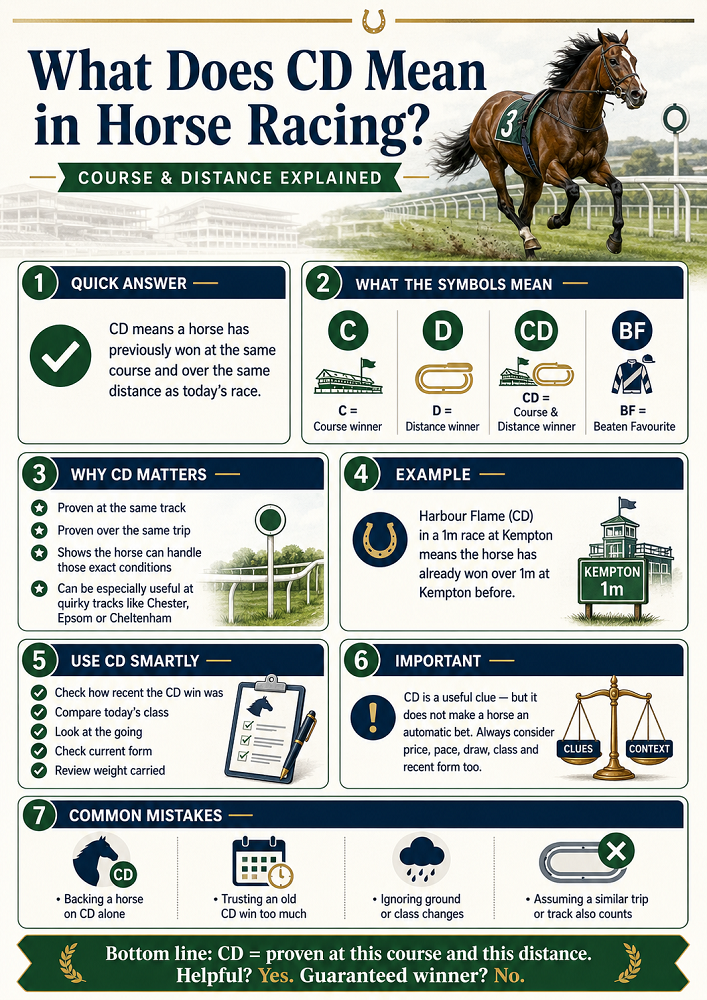
If you are wondering what the letters “cd” mean in horse racing, the simple answer is that CD means the horse has won over the same course and the same distance before.

In other words, a horse marked with a ‘CD’ has previously won at the same course and over the same distance, indicating proven capability under those specific conditions.

It is one of several common race card abbreviations, alongside C, D and BF (beaten favourite), that bettors can use when making betting decisions.

At Honest Betting Reviews, we focus on helping punters interpret these symbols properly so they can bet more intelligently, rather than simply following hype around a runner, trainer, jockey or tipster.

  • This guide explains what CD means, how it differs from C and D, why course and distance form can matter, and how to use it alongside other betting factors such as recent form, ground conditions, class and beaten favourite notes.

Two racehorses gallop around a bend on a turf racetrack, showcasing their speed and stamina as they compete in the race. The scene captures the excitement of horse racing, highlighting the horses' performances as they strive for a winning position on the course.

What Does CD Stand For on a Race Card?

C means course, D means distance, and CD stands for ‘Course and Distance’, indicating that a horse has previously won at the same course and over the same distance.

A course and distance winner has already won at the exact track and over the exact distance of today’s race.

This is not a loose label for “similar conditions”. It must be the same course and the same advertised trip, such as 1m2f at Sandown or 5f at Chester.

The term CD is primarily used by punters, tipsters, and handicappers as a quick reference tool when studying form or reading a racecard.

  • CD next to a horse in a 2m Chase at Kempton means the horse has already won over 2m at Kempton.
  • CD next to a runner in a 5f handicap at Chester means the horse has previously won over that sharp 5f course.
  • A win at a similar distance does not count. A horse that won over 1m1f has not proven the exact distance if today’s race is 1m2f.
  • A win at a similar type of racetrack does not count either. A horse that has won at Epsom but has not won at Chester would not count, even if both tracks have their own quirks.
  • Horses with a CD next to their name are often favored by punters because they have a proven track record under identical conditions.

The CD tag serves as a strong stamp of approval, indicating that a horse can handle the track’s layout and has the necessary stamina and speed to win over that specific length.

That does not make the horse an automatic bet, but it is a useful starting point.

Course, Distance and CD: What the Symbols Mean

C, D and CD are related indicators, but they do not all mean the same thing. A simple way to remember them is: C = course only, D = distance only, CD = both.

These letters usually appear near the horse’s name, age, weight, form line or other details on UK and Irish race cards.

The layout may vary between bookmakers, newspapers and racing websites, but the meaning is broadly consistent.

  • C means course winner. A horse marked with a ‘C’ on a racecard indicates that it has previously won at that specific course.
  • D means distance winner. The abbreviation ‘D’ signifies that a horse has won at the specific distance of the race it is about to run.
  • CD means course and distance winner. The horse has already won over today’s course and trip.
  • BF means beaten favourite. The ‘BF’ abbreviation on a racecard indicates that the horse was a Beaten Favourite in its last race, suggesting it was expected to perform better than it did.
  • If a horse was a joint favourite and was beaten, some cards may still show BF depending on how the data provider records the market position.

For example, a previous distance winner may have won over 1m2f at York, but if today’s race is 1m2f at Sandown, that horse is a D horse, not a CD horse.

By contrast, a horse that has won over course and distance at Sandown over that same number of furlongs would qualify for CD.

Why Course and Distance Matter in Horse Racing

Racecourses vary more than casual bettors often realise.

Some are flat and galloping, some are undulating, some are left-handed, some are right-handed, and some have tight bends or short straights that can expose a horse’s weaknesses.

A horse that looks talented on paper may not be suited to a particular track.

Distance also matters because every trip tests a slightly different blend of speed, stamina, cruising speed and finishing effort. Sprinters over 5f or 6f need sharp acceleration.

Milers over 1m need a balance of pace and control. Stayers over 2m+ on the Flat, and 3m+ over jumps, need deeper stamina and the ability to keep going when others are beaten.

  • Course form matters because some horses are comfortable with a specific layout, camber, bend, uphill finish or downhill run.
  • Distance form matters because a horse may travel strongly but fail to stay, or stay well but lack the speed for shorter races.
  • CD status proves that a horse isn’t bothered by a venue’s specific quirks, as it combines both course and distance achievements.
  • Horses that have won at a specific course and distance are generally considered more reliable bets, as they have demonstrated their ability to handle both the track and the distance.
  • Horses marked with CD are generally considered more reliable as they have proven their capability to win under the same race conditions.
  • Course and distance suitability can matter more than class on paper alone, especially at tracks such as Chester, Epsom or Cheltenham.

This is why a CD winner can be particularly interesting in a handicap. The horse has already shown that its ability can be translated into performance at this venue, over this trip, under race pressure.

There is also data to support the idea that course and distance form can have value.

For example, a Geegeez study on UK turf Flat racing from 2016–2023 found that previous course, distance and course-and-distance winners did have higher strike rates than horses without those credentials.

However, when it came to value, the picture was much less clear: returns to SP were virtually identical, and at Betfair SP non-CD winners actually performed better, losing around 4p in the £ compared with about 10p in the £ for CD winners.

That same Geegeez study did identify some more interesting subsets. For example, horses with a high previous C&D win percentage — especially those that had won at least 67% of their previous runs over course and distance — appeared stronger statistically.

But the study also warned that horses with four or more previous C&D wins were poor value on the Flat, losing over 34p in the £, suggesting they may be over-bet by the market.

So it seems CD the market is usually aware of course-and-distance form, meaning much of the advantage is already built into the price.

CD becomes more useful when combined with other filters such as recency, course type, handicap mark, going, class, draw, trainer record and value in the odds, which we discuss further below.

The image shows a close-up of horses and jockeys as they race towards the home straight on a turf course, highlighting the intense competition typical of horse racing. The jockeys are focused, guiding their mounts, which may include previous distance winners and joint favorites, as they strive for the best finishing position at this particular track.

CD on the Race Card: Practical Example

A typical UK race card may show C, D and CD symbols next to each runner, usually close to the horse’s name or form details.

You might see a line such as: “Harbour Flame (CD) 9yo b g, 10st 2lb, trainer: A Smith, jockey: B Jones.”

That would tell you that Harbour Flame has won over course and distance before. It does not mean the horse won the same race in the previous year.

It simply means the horse has won a race at this course over today’s distance at some point in its previous races.

Imagine an 8-runner handicap at Kempton over 1m:

  • Harbour Flame (CD) has won over this exact 1m trip at Kempton. That is the strongest course-and-distance signal.
  • Night Circuit (C) has won at Kempton before, but not necessarily over 1m. It may like the track but still have a distance question.
  • Royal Measure (D) has won over 1m before, but not at Kempton. It has the trip proven, but not the particular track.
  • Green Haze has no letters. This does not mean the horse cannot win, only that it has no recorded win at this course or distance.
  • Bright Mare (BF) may have been favourite last time but disappointed; if the horse finished poorly, you would want to know why.

Online race cards from major bookmakers, newspapers and form providers all show similar symbols, though colours, icons and position can differ.

On some cards the letters appear after the horse’s name; on others they appear beside the form figures.

A form line might also show numbers and letters from the horse’s most recent run and earlier runs.

These help identify the finishing position or reason a horse did not complete. For instance, PU can mean pulled up, F can mean fell, and UR can mean unseated rider.

If a horse finished 2nd in its last race, that is different from a horse pulled up after a break or one whose jockey was left behind after a jumping error.

The key point is that CD is useful, but it is only one part of the full picture represented on the race card.

How Bettors Use CD When Making Selections

Many punters treat CD as a green flag, especially in handicaps, big-field races and meetings where course specialists often run well. But smart bettors do not back a horse based only on those two letters.

When evaluating a horse’s past performance, bettors should consider the recency of the CD win, the class of the race, ground conditions, and the current form of the horse.

When evaluating a horse marked with CD, bettors should consider factors such as the recency of the win, the class of the race, and the similarity of ground conditions to the current race.

Use this checklist before placing a bet:

  • Check how recent the CD win was. A course and distance win from the current season or previous season is usually more relevant than one from six years ago.
  • Compare the race class. A CD win in a Class 5 handicap may not carry the same weight if today’s race is a Class 2 with stronger horses running for more prize money.
  • Look at the going. A CD win on heavy ground may not translate if today’s ground is good to firm.
  • Study current form. A horse with strong CD form but a poor recent run may be declining, badly handicapped or out of form.
  • Review the weight. In handicaps, a previous win may mean the horse must now carry more weight, making the same task harder.
  • Consider trainer and jockey form. A confident jockey booking or an in-form trainer can support the case for a CD horse.
  • Look for BF clues. A beaten favourite may have disappointed last time, but if there was a clear excuse, the market may have overreacted.

You should also look at how the horse achieved its distance win. Did it lead from the front, travel strongly and quicken, or only win because the pace collapsed?

That detail can matter if today’s race shape is different.

For example, a front-running colt with a CD win at Chester may be dangerous from a good draw, because Chester’s tight turns can reward early position.

But the same colt drawn wide, carrying more weight, and running on different ground may no longer be such an obvious bet.

CD vs Distance Winner and Beaten Favourite (D & BF)

CD is powerful, but it should be read in context with D and BF.

A distance winner has proven the trip, while a beaten favourite tells you something about market expectation and recent disappointment.

  • A pure D horse, with no C, may handle the trip well but struggle with a unique course layout, such as tight turns, an unusual camber or a stiff uphill finish.
  • A CD horse has already handled the combined test of track and trip, which is why many punters give it extra credit.
  • A BF horse was expected to run well in its last race but was beaten. That may point to hidden ability, or it may indicate a horse that the market keeps overrating.
  • A CD winner that was also a recent BF can be interesting if there was a valid excuse, such as being short of room, racing on unsuitable ground, or returning from a long break.
  • A CD winner in long-term decline is a different matter. If the horse has lost speed, changed trainer, or repeatedly failed to show ability, the old CD form may not be enough.

At Honest Betting Reviews, we often examine how tipsters and systems treat CD, D and BF when we run live trials on horse racing strategies.

A tipster who blindly selects every course and distance winner is very different from one who checks price, class, pace, going and current form before advising a bet.

The british horseracing authority sets the official framework for racing in Britain, but the job of interpreting a race card sits with the bettor.

The symbols are there to give quick access to useful information; they are not a substitute for judgement.

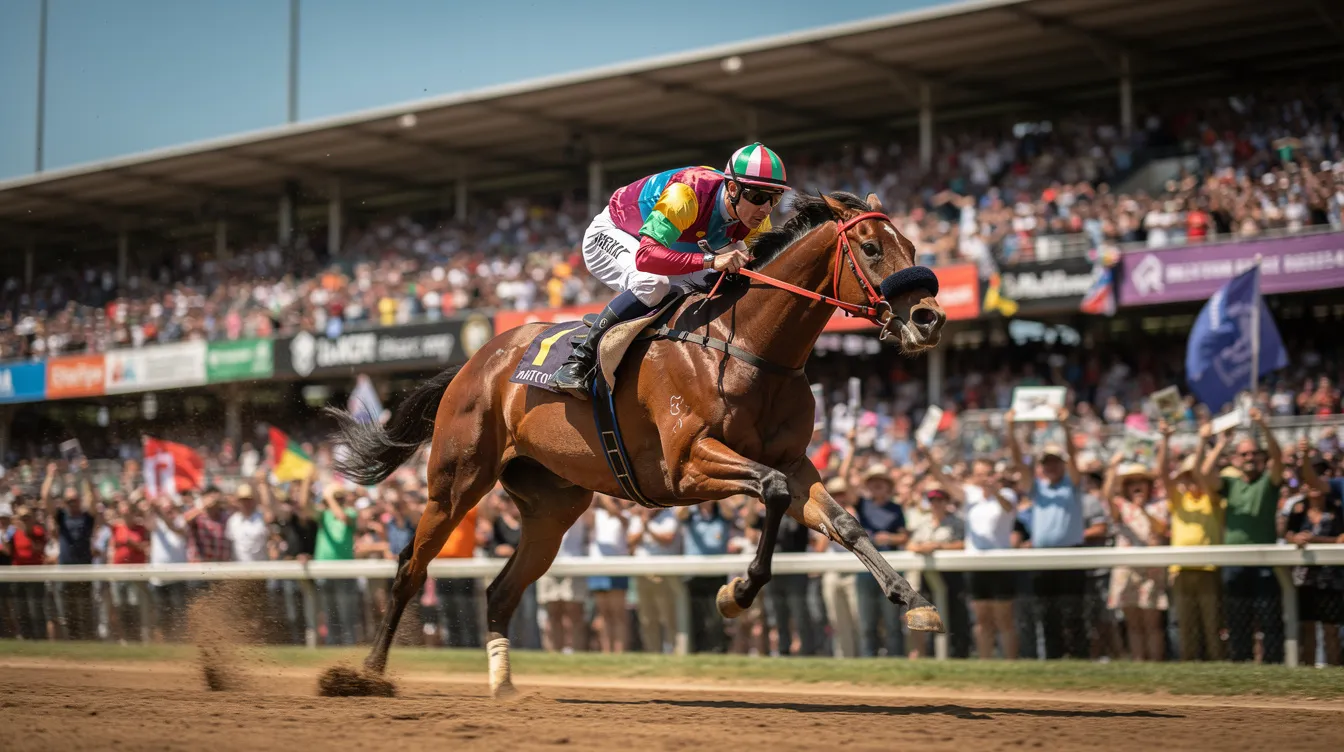
A jockey in vibrant, colorful silks rides a horse at full speed, passing a packed grandstand filled with excited spectators during a thrilling horse racing event. The horse, a previous distance winner, showcases its ability as it competes over the same course where it has previously won, aiming for a top finishing position.

Common Mistakes When Using CD in Horse Racing

Over-reliance on CD can be costly if other crucial factors are ignored. A horse can be a course and distance winner and still be a poor bet at the current odds.

Here are the main watch-outs:

  • Do not back a horse solely because it has CD next to its name. Always check whether the horse’s performance has remained strong since that win.
  • Do not assume an old CD win is still relevant. A horse may be older, slower, with a different trainer, or returning from a long break.
  • Do not ignore the handicap mark. A horse that won easily before may now be badly handicapped and forced to carry more weight.
  • Do not ignore ground conditions. A CD win on heavy ground may not help much in a fast-ground race, even at the same course and distance.
  • Do not ignore class. A low-grade CD win does not automatically transfer to a higher-class race with better rivals.
  • Do not ignore the form line. Letters such as PU, F, UR and R can reveal that a horse pulled up, fell, unseated rider or refused.
  • Do not assume the CD tag means the same race was won last year. It only means a race over the same course and distance was won at some point.

It is also worth checking the head position, beaten distance and finishing effort from previous races.

A horse that won narrowly in a weak race may not be as strong as a horse that finished second in a much deeper contest.

The vast majority of good racing analysis involves weighing several signals together.

CD is a helpful idea, but it should sit alongside price, pace, draw, trainer intent, jockey booking, going, class and the horse’s overall profile.

Using CD and Other Race Card Abbreviations with Honest Betting Reviews

We help bettors interpret data such as CD, C, D, BF and other race card abbreviations when evaluating tipsters and betting systems.

We are interested in whether a method produces measurable results, not whether it sounds convincing on paper.

When we assess horse racing tipsters and systems, we look at live trial evidence, including ROI, strike-rate, average odds, losing runs, each way performance and how often selections rely on course and distance winners.

A system that selects lots of CD horses may have a higher strike-rate, but the value still depends on the odds available.

CD can help you identify a horse that is suited to a specific race, but no symbol can guarantee a winner.

Bankroll management, realistic expectations and disciplined staking still matter.

If you follow tipsters, combine your own understanding of course and distance form with independent reviews and transparent results.

That gives you a better chance of separating genuine edge from guesswork, hype and lucky short-term runs.


Best Twitter Tipsters: Top 5 X Accounts Worth Following in 2026

Twitter — or X, as we should now call it — has become one of the main places bettors go to find tips, opinions, team news, price moves and betting discussion.

That is both a blessing and a problem.

On the plus side, there are some excellent tipsters on X who post genuinely useful insight, explain their thinking and build a transparent track record over time.

On the downside, the platform is also full of hype merchants, fake screenshots, “inside info” claims and accounts that seem more interested in affiliate clicks than helping followers make better betting decisions.

So, who are the best Twitter tipsters to follow?

In this guide, we look at five of the strongest tipster accounts on X right now, covering horse racing, MMA, golf and snooker.

The aim is not simply to list popular accounts, but to highlight tipsters who bring something valuable to the table — whether that is long-term proofing, specialist knowledge, clear reasoning, or a strong reputation within their niche.

As always, no tipster wins every bet. The real question is whether they appear to have an edge, whether their results are transparent, and whether their approach makes sense for your own betting style.

What Makes a Good Twitter Tipster?

Before we get into the top five, it is worth setting out what we are looking for.

A good Twitter/X tipster should ideally have:

  • A clear specialist area, rather than tipping on everything randomly
  • Transparent results or third-party proofing where possible
  • Realistic claims, not “guaranteed winner” nonsense
  • Sensible staking advice
  • A willingness to discuss losing runs as well as winning ones
  • Evidence of genuine analysis behind selections
  • A style that helps followers understand why a bet has been advised

The best Twitter tipsters are not necessarily the loudest accounts or the ones with the most followers.

In fact, some of the strongest betting minds are fairly understated. They let the results and the reasoning do the talking.

With that in mind, here are our top five Twitter/X tipsters right now.

5. Michael Golf

Best for: Golf betting
Main strength: Golf-specific betting content
X/Twitter handle: @Michaelgolf_

Michael Golf kicks off our top five and is a strong account for golf bettors to consider.

Golf Twitter has become an increasingly important space for betting discussion.

Before a major championship, you will see huge amounts of debate around course fit, strokes-gained data, weather, draw bias, putting surfaces, driving accuracy, approach play and each-way terms.

The problem is that the noise can be overwhelming.

Michael Golf stands out as an account focused specifically on golf betting.

His long-term record is excellent, with a profit of over 5,900 points made at a return on investment (ROI) exceeding 30% across three and a half seasons of golf tipping.

However, given the strong long-term results and large following Michael has developed, his selections do get backed in heavily with bookies cutting prices immediately after tips are sent out. 

This can be mitigated to a certain extent by using the exchanges – on the win part of the bet at least – but bear in mind it might not be possible to achieve the same returns as the official results even with the best will in the world.

Why follow Michael Golf on X?

The appeal is simple: if you bet on golf, you probably want to follow people who live and breathe golf betting.

Golf is not a sport where generic betting advice gets you very far. You need to consider:

  • Course suitability
  • Recent ball-striking form
  • Putting surfaces
  • Weather and tee-time bias
  • Tournament motivation
  • Each-way place terms
  • Exchange liquidity
  • Whether the price has already gone

A good golf betting account can help you think through those factors and spot players who may be overpriced.

Michael Golf is particularly useful for bettors who want regular golf tips from tours all across the world – men’s, women’s, seniors’ and minor tours included. 

As with Edwards Tips below, the biggest caveat is variance. Golf betting can be feast or famine.

A strong run can transform a year, while several near misses can feel painful. That is why staking discipline is essential.

Best suited to: Golf bettors looking for a dedicated golf-focused X account.

4. Edwards Tips

Best for: Golf and snooker
Main strength: Large sample size and niche market focus
X/Twitter handle: @EdwardsTips_

Edwards Tips is another account that deserves attention, particularly if you are interested in golf and snooker betting.

As the X profile for Craig Edwards sets out, the service is focused on golf and snooker, with a large volume of recorded bets and a formidable long-term record.

With a profit of 1,000 points made at a return on investment of 26%, Craig has one of the most enviable records out there. 

We have verified those results in a live trial and have continued to follow the tips since our review ended – and they have continued to deliver strong returns. 

Specialisation is important because golf and snooker are not easy markets.

Golf betting, in particular, can be hugely frustrating. Outright tournament bets often have long losing runs, even when the value is there.

A golfer can play well for three rounds and still drift out of contention on Sunday.

Place terms, each-way value, exchange prices and bookmaker concessions can all make a big difference to returns.

Snooker is different again. It often rewards detailed knowledge of player form, scoring patterns, match format, temperament and scheduling.

A tipster who focuses on these sports is therefore more appealing than a general account that suddenly posts a golf treble during The Masters.

Why follow Edwards Tips on X?

The main benefit is exposure to niche betting angles.

Football and horse racing dominate the UK betting conversation, but golf and snooker can offer value for bettors who understand the markets.

They are also sports where specialist knowledge matters. Knowing how a golfer’s game fits a course, or how a snooker player has been scoring over recent tournaments, can be more useful than simply following the market favourites.

Edwards Tips focuses on that specialist space, making it a useful X follow for bettors who want something beyond the obvious mainstream picks.

However, this is also where bankroll management becomes crucial. Golf betting can involve long sequences without a big return, especially if you are backing outright winners or each-way selections at bigger prices.

Followers should be prepared for variance and avoid judging the service purely on one tournament or one week.

Best suited to: Bettors interested in golf and snooker markets, especially those comfortable with longer-term variance.

3. Lucrative MMA

Best for: MMA betting
Main strength: Specialist combat sports expertise
X/Twitter handle: @LucrativeJames

Lucrative MMA is one of the most recognisable MMA betting names on X and earns third place in this list.

MMA is a very different betting market from horse racing or football. It is more specialist, often less liquid, and can be harder for casual bettors to price accurately.

That creates opportunities — but also risks. You need to understand stylistic match-ups, grappling exchanges, cardio concerns, weight cuts, judging tendencies and late-notice opponent changes.

That is where a specialist account can be useful.

Lucrative MMA is run by a chap called James Blissett and is a professional MMA betting service with third-party tracked results and a focus on transparency.

All the tips are recorded by third parties and publicly accessible, which is exactly the kind of transparency bettors should look for.

We conducted our own trial of the service and it produced an excellent 159 points profit at a return on investment of 10%.

In total Lucrative MMA has now made over 700 points profit since starting up, making it a stand-out tipster in its niche. 

The Lucrative team also give out sports plays from professional bettors and run a podcast hosted by James Blissett.

Why follow Lucrative MMA on X?

The main reason is specialisation.

Plenty of general sports tipsters will post UFC bets on a Saturday night.

Fewer actually understand MMA betting deeply. A strong MMA tipster needs to do more than say “fighter A has better striking” or “fighter B is the favourite for a reason.”

The best analysis looks at how the fight is likely to play out, where the market may have mispriced a style clash, and whether the odds justify the risk.

Lucrative MMA has built its reputation around that specialist angle.

There is another reason to follow MMA tipsters on X: speed. MMA lines can move quickly, especially after weigh-ins, late team news, injury rumours or changes in public sentiment. X is often where those discussions happen first.

That said, MMA betting can be volatile. Even a well-researched pick can be undone by a flash knockout, a controversial judges’ scorecard or an unexpected tactical shift. Followers should be especially disciplined with staking.

Best suited to: Bettors who want specialist MMA insight rather than casual UFC picks would be well advised to check out Lucrative MMA.

2. Andy Holding Tips

Best for: Horse racing analysis
Main strength: Form study, speed figures and sectional knowledge
X/Twitter handle: @holding_andy

Andy Holding is a well-known figure in the UK horse racing betting world and is a natural inclusion in any list of the best Twitter tipsters.

Unlike some social media tipsters who have built a following largely through hype, Andy Holding’s reputation comes from analysis.

Oddschecker describes him as “The pundit’s pundit” and notes his work with speed figures and sectional times across UK and Irish racing. He is also a regular pundit on William Hill Radio.

That tells you quite a lot about his style.

This is not just about posting a horse’s name and hoping for the best. The appeal of Andy Holding is that his selections are usually rooted in deeper race analysis: pace, sectionals, historical speed figures, race shape and how a horse’s previous performances compare to today’s opposition.

For racing bettors, that kind of insight can be extremely valuable.

Indeed, with a long term record of over 1,500 points profit made, with an average of 137 points profit per year from 2018-2023, Andy’s record stands up there with the best in the business.

In our own review of his tips, Mr Holding produced an outstanding 313 points profit at a 31% ROI, making it one of the most successful trials we have ever run of a horse racing tipster.

Equally impressive were his results at Betfair SP – where many tipsters struggle to make a profit at all – with Andy notching 241 points profit during our trial.

So the service is even viable for those who have had their bookie accounts restricted or closed and can only use the exchanges.

Why follow Andy Holding on X?

Andy Holding’s X account is useful because it connects followers with daily racing views, Oddschecker content and his wider take on the sport.

His selections are provided through the Oddschecker Plus service (which includes access to other tipsters plus value bets), where he also supplies analysis alongside his regular horse racing tips.

The key attraction is that you can learn from the process.

Even if you do not back every selection, following a tipster like Andy Holding can improve the way you think about racing.

You start to look beyond the basic racecard and consider factors like how strongly a horse finished, whether a race was run at a strong gallop, or whether a previous performance was better than the bare result suggests.

That is especially useful for punters who want to become better judges themselves rather than simply copying tips.

Of course, the same warning applies: strong analysis does not guarantee short-term profit.

Horse racing is unpredictable, and even excellent judges have losing streaks. But as a source of serious racing insight, Andy Holding is one of the standout follows on X.

Best suited to: Andy Holding Tips is best suited to racing fans who enjoy form study, speed figures and deeper analytical reasoning.

1. The Bookies Enemy No.1

Best for: Horse racing tips
Main strength: Long-running, specialist racing service
X/Twitter handle: @BookiesEnemyNo1

The Bookies Enemy No.1 takes top spot in our list of the best Twitter tipsters because it ticks several important boxes: niche focus, longevity, a clear betting identity and an established reputation in the horse racing space.

This is not a vague “daily tips” account jumping from football to darts to tennis depending on what is trending.

The Bookies Enemy No.1 is built around horse racing, with a particular emphasis on finding value in the UK racing markets.

The service is a long-running UK racing tipster service going back to 2017, with a chap called Gary Poole being the brains behind the tips. 

The service is based on value rather than simply trying to pick short-priced winners.

That distinction matters.

In horse racing, backing obvious favourites at cramped odds is rarely a reliable route to long-term profit.

The more valuable skill is identifying horses whose odds are bigger than they should be. A horse can lose today and still have been a good bet if the price was wrong.

Equally, a winner can be a poor bet if the odds were too short.

That value-first mindset is one reason Bookies Enemy No.1 deserves attention.

Another reason is the outstanding long-term record, with over 1,200 points profit made in total.

That would be over £31,000 profit at £25 per point. 

We have tracked the results for the Bookies Enemy No1 and Gary has made an incredible 900 points profit of verified profit since 2018. 

There are very few tipsters who can match his record of consistency over so many years of tipping.

Why follow The Bookies Enemy No.1 on X?

The big appeal is that it gives racing punters a focused, recognisable account to follow in a very noisy market.

Horse racing Twitter can be chaotic. You will see everything from strong paddock insight to completely unverified “lump on” posts.

Bookies Enemy No.1 stands out because it is attached to a broader service with a defined identity and a longer-term record.

No racing tipster is immune to losing runs, and racing variance can be brutal.

But if you are looking for a serious horse racing-focused X account rather than a scattergun social media tipster, Bookies Enemy No.1 is a strong place to start.

Best suited to: Racing bettors who want a dedicated horse racing tipster with a clear value-based approach should check out the Bookies Enemy No 1.

How to Choose the Best Twitter Tipsters for You

The “best” Twitter tipster depends partly on what you bet on.

If you mainly bet on horse racing, The Bookies Enemy No.1 and Andy Holding are likely to be more relevant than a golf or MMA specialist.

If you enjoy UFC betting, Lucrative MMA is the more natural fit. If you are looking for value in golf and snooker, Edwards Tips and Michael Golf are worth adding to your watchlist.

But whichever account you follow, use the same checklist:

1. Look for proof, not just screenshots

Winning bet slips are easy to post. Full records are harder to fake. Prioritise tipsters who show long-term results, ideally through independent or third-party tracking such as this site.

2. Check the advised odds

A tipster may show a profit at advised prices but perform much worse if followers regularly miss the early odds. This is especially important in racing and golf, where prices can move quickly.

3. Understand the staking plan

A 50-point profit means very little unless you know the staking approach. Were bets advised at 1 point each, or were there 10-point “max bets”? Sensible staking is a sign of a more professional service.

4. Watch how they handle losing runs

Every tipster loses. The best ones are honest about it. Be cautious with accounts that delete losers, stop updating results during poor runs or constantly reset their record.

5. Avoid hype-led betting

Phrases like “banker”, “guaranteed”, “mortgage job” or “cannot lose” should immediately make you wary. Serious betting is about value, probability and discipline — not hype.

Final Verdict: Who Are the Best Twitter Tipsters?

Here is our top five:

5. Michael Golf – best dedicated golf betting follow

4. Edwards Tips – best for golf and snooker betting angles

3. Lucrative MMA – best specialist MMA betting account

2. Andy Holding Tips – best for serious racing analysis and speed figures

1. The Bookies Enemy No.1 – best overall Twitter/X tipster for horse racing value

Overall, The Bookies Enemy No.1 takes our number one spot because of its focused horse racing approach, established brand and value-led positioning.

The key point is this: Twitter/X can be a brilliant betting resource, but only if you use it properly.

Follow good accounts for ideas, insight and market awareness — not because you expect every post to be a guaranteed winner.

The best Twitter tipsters can help you spot value, understand different betting angles and think more carefully about price, probability and staking. But they should still be part of your wider betting process, not a replacement for it.

It is also worth tracking any tipster you follow for yourself.

Record the advised odds, the price you actually got, the stake, the result and the profit or loss over time.

That way, you are not relying on memory, social media noise or selective screenshots.

You will know whether a tipster is genuinely helping your betting or simply adding more bets to your day.

Ultimately, the best Twitter tipsters are not always the loudest accounts.

They are the ones who show their working, understand their markets and treat betting as a long-term game rather than a quick-hit gamble.

Follow selectively, stay disciplined, and always remember that the aim is not to back more bets — it is to make better betting decisions.


 

Over Under Tipster – Results Update

Not much change lately for football service the Over Under Tipster, with a profit of 1 point made since our last update.

That means they are now 39 points down for our trial overall. 

You can view full results here.

If you’re not familiar with over/under goals betting in football, you can check out our full guide here.

The good news is the last four bets have all been winners so let’s hope that’s a sign of a turnaround for them!


——————————————————————————————————————————————————————-


Over Under Tipster – Results Update

11th April 2026

There’s been a slight decline over the last month for football service the Over Under Tipster, with a loss of 10 points made since our last update.

That means they are now 40 points down for our trial overall. 

You can view full results here.

If you’re not familiar with over/under goals betting in football, you can check out our full guide here.

We had been seeing a slight improvement with this service so it’s a shame to see the recent decline again. Let’s see if they can finish the season strong.  


——————————————————————————————————————————————————————-


Over Under Tipster – Results Update

7th March 2026

A slight improvement lately for football service the Over Under Tipster, with a profit of 4 points made since our last update.

That means they are now 30 points down for our trial overall. 

You can view full results here.

If you’re not familiar with over/under goals betting in football, you can check out our full guide here.

The good news is that five out of the last six bets have been winners, so let’s see if they can keep the recent momentum going.


——————————————————————————————————————————————————————-


Over Under Tipster – Results Update

2nd February 2026

It’s been a tough run for football service the Over Under Tipster lately, with a loss of 15 points made since our last update.

That means they are now 34 points down for our trial overall. 

You can view full results here.

If you’re not familiar with over/under goals betting in football, you can check out our full guide here.

This has been one of those trials that has struggled from the get-go sadly, but there is still over two thirds of the recommended 100 point betting bank remaining so no need to panic yet.

Just could do with results turning around sooner rather than later. 


——————————————————————————————————————————————————————-


Over Under Tipster – Results Update

4th January 2026

A small decline for football service the Over Under Tipster lately, with a loss of 3 points made since our last update.

That means they are now 19 points down for our trial overall. 

You can view full results here.

If you’re not familiar with over/under goals betting in football, you can check out our full guide here.

They do have a knack for racking up winning runs, with one recent run including a run of 15 winners (that’s both singles and doubles included). 

A few more runs like that and they might get back towards a profit for our trial.


——————————————————————————————————————————————————————-


Over Under Tipster – Results Update

27th November 2025

Not much change for football service the Over Under Tipster lately, with a loss of 2 points made since our last update.

That means they are now 16 points down for our trial overall. 

You can view full results here.

If you’re not familiar with over/under goals betting in football, you can check out our full guide here.

They have recently switched to backing doubles as well as singles so we will have to see how that turns out.

A little slow going for this service so far but not a huge amount of damage done.

——————————————————————————————————————————————————————-


Over Under Tipster – Results Update

13th October 2025

It’s been a bit of a struggle for football service the Over Under Tipster lately, with a loss of 14 points made since our last update.

That means they are now 14 points down for our trial overall. 

You can view full results here.

This is a nice and simple service to follow – with all bets being either over or under goals (all 2.5 goals so far). 

They cover a variety of leagues from across Europe, including some of the lower English divisions, and normally there’s good liquidity on the over/under markets. 

——————————————————————————————————————————————————————-


Over Under Tipster – Results Update

1st September 2025

There’s been a slight improvement lately for football service the Over Under Tipster, with a profit of 3 points made since our last update.

That means they are now back to level for our trial overall. 

You can view full results here.

This is a nice and simple service to follow – with all bets being either over or under goals (all 2.5 goals so far). 

It’s great to see football back again as we get into the heart of the season and things start to really heat up. 

——————————————————————————————————————————————————————-


Over Under Tipster – Results Update

27th July 2025

It’s been a slightly slow start to our trial of the Over Under Tipster, with a loss of 4 points made for our trial to date.

You can view full results here.

This is a nice and simple service to follow – with all bets being either over or under goals (all 2.5 goals so far). 

A variety of summer leagues have been used so far but we aren’t far away from the main European leagues getting going again so lots of action to get stuck into soon.


——————————————————————————————————————————————————————-


Over Under Tipster – New Review

21st June 2025

When it comes to football betting, few markets are as popular—or as liquid—as the over/under goals markets.

That’s where the Over Under Tipster from Betting Gods steps in, targeting value in the goals markets across Europe’s top leagues. 

If you’re not familiar with over/under goals betting in football, you can check out our full guide here.

We’ve seen plenty of football tipsters come and go over the years—some who hit the back of the net regularly, and others who couldn’t find value if it was staring them in the face.

So naturally, we were keen to put this one to the test and see if it lives up to the results achieved so far.

Those numbers look pretty impressive:

  • 🟢 ROI (Return on Investment): 20.9% – an impressive return that suggests solid profitability in the long run
  • 🎯 Strike Rate (Win Rate): 59.5% – winning more than half of all tips, which beats typical expectations for this market 
  • 📈 Total Tips Issued: 331 – a robust sample size, offering a meaningful glimpse into longer-term performance.

So far, the tipster has delivered nearly 60% winners at odds that deliver a healthy ROI above 20%—a combination that’s quite rare in football markets.

Every month so far has been profitable, which is a very good sign and the kind of consistency we look for in a tipster.

In this review, we’ll assess:

  • How reliable these results look over time
  • Whether the odds are achievable in practice
  • The staking plan behind the service
  • The volume of bets and how manageable it is for subscribers

We’ll see over the course of our review whether The Over Under Tipster is a keeper—or one to keep your distance from.

Results will be updated here as we go along so you can see how they are getting on.

In the meantime you can check out the Over Under Tipster for yourself here.

Minimum Deposit £1 Casino Sites in the UK (2026 Guide)

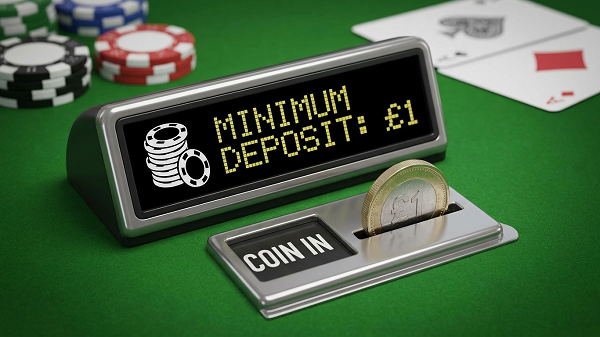
Not everyone wants to deposit £10, £20 or £50 just to try a new casino.

Sometimes you simply want to test the cashier, play a few low-stakes slots, try an instant-win game, or see whether a brand feels trustworthy before committing more of your bankroll.

That is where £1 minimum deposit casinos can be genuinely useful.

The problem? They are not always easy to find.

Many UK casino sites advertise themselves as “low deposit”, but once you reach the cashier, the true minimum may be £5, £10 or even higher depending on the payment method.

Others might accept a £1 deposit, but only on the first transaction, only through debit card, or only if you are not trying to trigger a welcome bonus.

At Honest Betting Reviews, we have looked at the current UK market to separate the genuine £1 deposit options from the sites that simply sound cheap on the surface.

In this guide, we’ll cover:

  • which UKGC-licensed casinos currently allow £1 deposits;
  • which payment methods work for small deposits;
  • whether a £1 deposit unlocks any bonuses or free spins;
  • minimum withdrawal limits to watch out for;
  • and the best low-deposit alternatives if you are happy to start from £5 or £10.

A £1 deposit casino will not make you rich overnight, and it certainly does not remove the usual risks of gambling.

But for careful players who want to keep spending controlled, test a site before going bigger, or enjoy a few small-stakes spins without overcommitting, it can be a very handy option.

Best £1 Minimum Deposit Casinos Right Now

We reviewed £1 minimum deposit casino options between February and May 2026, looking for the best options available right now.

These are UKGC-licensed brands that, according to our checks and/or current public payment information, accept or have recently accepted £1 deposits via selected payment methods. Always confirm the current cashier limit before depositing.

Important: £1 deposits are designed for low-commitment play, not as a way to win money. Casino games carry a house edge, and even small deposits can add up if repeated. Set limits before playing and only gamble with money you can afford to lose. 18+. Terms apply. begambleaware.org.

Verified £1 deposit options (as of May 2026):

  • London Bet – £1 deposit via various debit cards. Check the cashier for current Apple Pay availability and minimums. Instant deposits 
  • Lottoland – £1 via debit cards and Apple Pay. Instant deposits. Welcome bonus requires £20. 
  • DragonBet – £1 accepted via debit card and Apple Pay. £10 minimum withdrawal. Hybrid sportsbook/casino. 
  • BetWright – £1 via debit cards and Apple Pay. Welcome spins require £20 deposit. 
  • Priced Up – £1 via Visa debit, Mastercard debit, Apple Pay and instant bank transfer
Casino Min Deposit Min Withdrawal Welcome Offer Trigger Best Payment Method Our Rating
London Bet £1 £10 N/A Debit card 77%
Lottoland £1 £10 £20 Apple Pay 82%
DragonBet £1 £10 £10 Debit card 80%
BetWright £1 £10 £20 Apple Pay 78%
Priced Up £1 £10 £40 Debit card 75%

A £1 deposit rarely unlocks full deposit bonus packages or bonus credit. These ultra-low deposits are useful for testing cashier speed, game selection, and payment flows before committing larger amounts.

18+. UKGC-licensed only. Details correct to the best of our knowledge at the time of publication but are subject to change. Always check current T&Cs and gamble responsibly.

What Is a £1 Minimum Deposit Casino?

A £1 deposit casino lets UK players make a real-money deposit as low as £1 while still accessing standard casino games.

In practical cashier terms, £1 is usually the lowest real-money deposit level you are likely to see at UK-licensed casino sites.

These sites fit within the broader category of minimum deposit casinos and low minimum deposit casino options, which typically span tiers from £1 through £3, £5, and up to £10.

The £1 tier sits at the extreme end—rare and often restricted to specific promotional periods or payment methods rather than being the default cashier limit.

Low minimum deposit casinos allow players to limit the amount they deposit upfront, which may help with cost control when used responsibly.

Depositing small amounts, such as £1, helps players test the casino’s software, payment processing, and game selection without committing larger sums upfront.

Critically, £1 is typically a promotional or payment-method-specific minimum rather than the universal deposit threshold.

Most minimum deposit online casinos in the UK still require £5–£10 for welcome bonuses and low deposit casino bonus offers to activate.

From our angle, we see £1 deposits as a tool for testing platforms and payment flows—not as a long-term staking strategy.

When only depositing £1, users may have to use specific payment methods like debit cards or bank transfers due to restrictions on other methods.

Best UK £1 Deposit and Low Minimum Deposit Casinos

Our team at Honest Betting Reviews looked at multiple sites accepting low minimum deposits between February and May 2026.

Here’s what we found across both true £1 deposit casinos and strong low deposit casino alternatives.

Verified Casino Profiles

DragonBet

  • Minimum deposit: £1 (via debit card and Apple Pay)
  • £1 applies to first deposit; subsequent top-ups may require £5+
  • Minimum withdrawal: £10, typically processed same-day for cards
  • Best for: Players wanting a hybrid sportsbook and casino site with low stakes slots and sports betting options

BetWright

  • Minimum deposit: £1 (debit cards and Apple Pay)
  • Welcome spins require £20 deposit to activate
  • Minimum withdrawal: £10
  • Best for: Budget players seeking low stake slots without committing to bonus requirements

Lottoland

  • Minimum deposit: £1 via debit cards and Apple Pay (Paysafecard requires £2)
  • Instant deposits; bonus activation requires £20
  • Minimum withdrawal: £10
  • Best for: Instant-win games and scratchcards where £1 yields 10–20 plays at 5–10p stakes

Priced Up

  • Minimum deposit: £1 via Visa debit, Mastercard debit, Apple Pay and instant bank transfer
  • Bonus requirement: Current welcome offer appears to require a much larger qualifying stake/deposit, so £1 is unlikely to unlock the headline promo
  • Licence: UKGC-licensed, operated by Off Course Bookmakers Limited
  • Best for: Players wanting a newer hybrid sportsbook/casino with flexible £1 funding and instant deposit options

London Bet

  • Minimum deposit: £1 via Visa and Mastercard debit cards
  • Bonus requirement: Current welcome promotions appear to require a higher qualifying deposit or spend, so £1 is best treated as a low-risk play/cashier option rather than a bonus trigger
  • Licence: UKGC-licensed under Thistle Bet Limited, licence number 66162
  • Best for: Players wanting a low-entry sportsbook/casino site with simple debit card deposits and a newer platform feel

Types of Minimum Deposit Casinos (from £1 to £10)

Low minimum deposit casinos can be grouped by their smallest accepted deposit amount.

Understanding these tiers helps you find the right balance between accessibility, bonus eligibility, and practical playtime.

No minimum deposit casinos occasionally appear in marketing, but they’re largely mythical in 2026 UK practice.

Payment processors impose de facto £1–£5 floors regardless of what casinos advertise.

Testing reveals that even sites claiming “no minimum” show £1 as the effective limit when you reach the cashier.

Bonuses typically require £10+ regardless.

£1 deposit casinos remain relatively rare in the UK market. Most casinos in the UK set a minimum deposit of £10, making £1 deposit options relatively rare in the market.

These few casinos accepting such a small deposit typically limit the option to debit cards or Apple Pay, and often exclude players from standard deposit bonuses.

Casinos that allow a £1 minimum deposit often come with limitations on bonuses, payment options, and withdrawal limits.

£3 deposit casinos are uncommon in the UK sites landscape. A few bingo hybrids occasionally support £3 via Paysafecard or similar methods.

While £3 extends play marginally (30–50 spins at 5p versus 10–20 at £1), it still rarely qualifies for meaningful deposit match offers.

£5 deposit casinos represent the first realistic step for very low deposits that can trigger occasional promos.

Hybrid sportsbook/casino operators like bet365 and Parimatch support £5 deposits with access to 20–50 free spins and partial welcome bonuses. This deposit level suits players seeking a middle ground.

£10 deposit casinos dominate as the sweet spot across uk casinos. Over 50 licensed casinos use £10 as the threshold for full welcome offers, free spins packages, and complete bonus structures.

In our experience, £10 remains the most common threshold for full welcome offers.

How We Rate Minimum Deposit Casinos at Honest Betting Reviews

We apply the same structured review process to low deposit casinos that we use for tipsters and betting systems.

Our goal is transparent, data-backed assessment rather than promotional fluff.

High-level rating criteria:

  • Safety and licensing: UKGC licence verification, game fairness information and visible responsible gambling tools
  • Real minimum deposit and minimum withdrawal by payment method: We test actual cashier behaviour, not just advertised limits
  • Bonus value at small stakes: Effective RTP impact of wagering requirements on low deposit casino bonus offers
  • Range of low stake slots and table limits: We count games with 1p–20p minimum bet options
  • Cashier experience: Speed, reliability, and support for Apple Pay and other fast-pay options

We track metrics including RTP spread across available games, average processing time, KYC friction points, and any discrepancies between advertised and actual minimum deposit amounts.

We don’t promote unlicensed offshore casinos, even if they allow smaller minimum stakes or claim zero-minimum deposits.

Payment Methods for Small Deposits (£1–£10)

The real minimum deposit often depends more on the chosen casino payment methods than on the casino brand itself.

Before depositing, check both the cashier page and method-specific T&Cs for the lowest deposit amount and any fees.

Debit cards (Visa, Mastercard, Maestro) are the most reliable payment methods for £1 to £5 deposits at online casinos.

They typically don’t impose higher transaction minimums compared to other payment options.

Nearly all uk players can use these for instant deposits with no fees, and they’re usually required for bonus eligibility.

Apple Pay stands out for small deposits at certain brands. DragonBet, Lottoland, and similar operators allow £1 or very low minimum deposits through Apple Pay.

Other sites start at £5–£10 for this method. Face ID security adds a layer of protection for secure payments.

PayPal and e-wallets (Skrill, Neteller) usually floor at £10 minimum.

Many online casinos that accept low minimum deposits, including £1, often limit payment methods to debit cards and mobile payment options like Apple Pay, while excluding e-wallets like PayPal and Skrill due to their higher minimum deposit requirements.

E-wallet deposits are often excluded from welcome bonuses, so always check the payment terms before opting in.

Instant bank transfer / Trustly / open banking sometimes allows £1–£5 deposits with fast settlement (1–2 hours).

Open banking and instant bank transfer options are becoming more common, but availability varies by casino.

Paysafecard and prepaid options typically require £5–£10 minimum and are frequently excluded from welcome offers.

They suit players wanting limited payment methods that don’t link directly to their bank account.

Payment Method Typical Min Deposit Bonus Eligible? Speed Fees
Debit cards £1–£5 Yes Instant 0%
Apple Pay £1–£10 Yes <1 min 0%
PayPal £10+ commonly Sometimes Instant 0%
Trustly £1–£5 Yes 1–2 hours 0%
Paysafecard £5–£10 Often no Instant 0%

Some “no minimum deposit” marketing claims are effectively overridden by wallet or card network limits. Even where a casino advertises very low deposits, the final minimum is usually set by the operator and its payment processor.

Bonuses and Promotions on Small Deposits

Here’s an honest assessment: £1 and other small deposits rarely unlock full welcome bonuses.

One major drawback of low minimum deposit casinos is that they often do not qualify for welcome bonuses, which typically require higher deposits, limiting promotional value for players.

Main bonus types at minimum deposit casinos:

  • Match deposit bonuses: Typically 100% up to £50–£400, but require £10+ to activate. A £1 deposit typically does not qualify for welcome bonuses at most casinos, which usually require a higher deposit of £10 or more to access promotional offers.
  • Low deposit casino bonus offers: Fixed free spins for £5–£10 stakes. Free spins are rarely available for a £1 deposit, with the lowest threshold for such offers typically starting at £5, and even then, they often come with high wagering requirements.
  • No deposit bonuses: Registration and verification only—no deposit amount required. These bypass the minimum entirely.
  • Cashback deals and prize drops: Don’t scale heavily with deposit size, making them accessible to low deposit players.

Recent UK examples (verified 2026):

  • bet365: “Bet £10, get 100 free spins” – tested April 2026, 30x wagering
  • Swift Casino: Deposit £10 for 100% match + 100 free spins – tested May 2026, 10x wagering

While low deposit casinos provide a way to gamble with minimal risk, they often come with lower-value bonuses and higher wagering requirements, making it harder to benefit from promotions.

Low deposit casinos often provide limited promotional offers, such as fixed free spins or small bonuses, rather than traditional 100% match bonuses, which are generally not available for deposits below £10.

Common bonus traps to avoid:

  • Wagering requirements above 30x. Avoid outdated or non-UK bonus pages that still show very high wagering requirements. Under the UK’s newer bonus rules, UK-facing promotional terms should be simpler, with tighter limits on wagering requirements
  • Game weighting restrictions (slots 100%, table games 10–20%)
  • Maximum win caps on small-deposit bonus amounts (often £20–£100)
  • Short expiry windows (7 days) on bonus credit and free spins

Players using a 1 deposit casino approach might rely more on no deposit bonuses and ongoing promos than headline welcome offers.

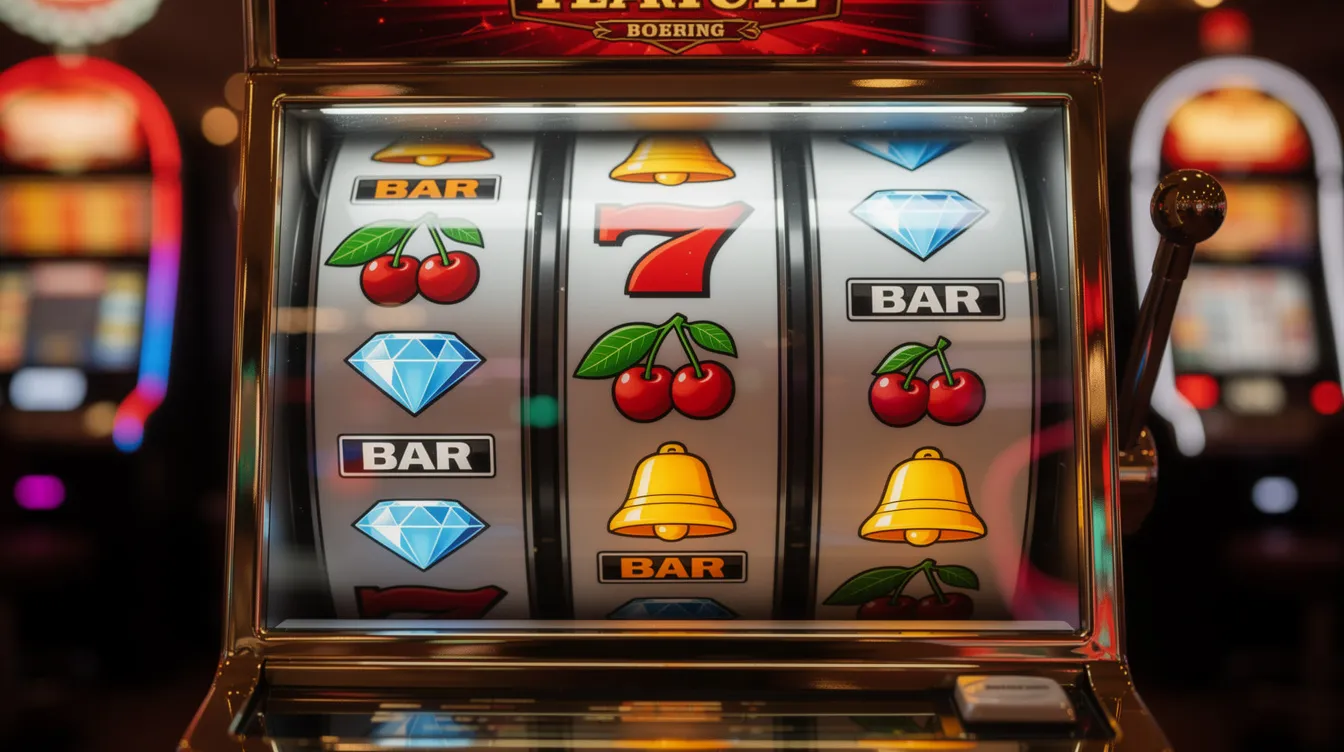
A close-up view of a casino slot machine's colorful reels, featuring vibrant symbols such as fruits and lucky sevens. This image captures the excitement of casino games, inviting players to start playing with even a small deposit at minimum deposit casinos.

Best Games to Play with £1–£5 Deposits

Game choice matters more than ever when you’re working with small minimum deposits or a £1 starting balance.

A £1 bankroll can be depleted quickly, particularly if minimum bets for certain games are close to that amount.

Low stake slots (1p–20p per spin) represent the main choice for stretching small deposits.

Low minimum deposit casinos often feature a variety of games including slots, table games, and live dealer options, allowing players to enjoy real money gaming without a significant financial commitment.

Many low deposit casinos offer penny slots, where players can spin for as little as 1p per line, enabling extended playtime on a small budget.

High RTP real money slots suit budget-conscious players:

Slot RTP Min Stake Why It Works
Blood Suckers 98.0% 1p Highest RTP mainstream slot
Starburst 96.1% 10p Low volatility, frequent small wins
Big Bass Bonanza 96.7% 10p Popular, decent RTP for feature-heavy game
Book of Dead 96.2% 1p Flexible stake range

RTPs vary by game version and casino, so always check the in-game help file before playing.

Some RNG table games may offer lower minimum stakes than live casino tables, but roulette and blackjack often require higher stakes than low-stake slots.

Games like penny roulette and low-stakes slots are popular choices at minimum deposit casinos, as they allow players to engage in gaming with minimal risk and longer session durations.

Instant-win and crash-style games allow stakes from 10p, providing quick rounds suitable for testing with even a small deposit.

Many bingo sites offer tickets for as low as 1p or 2p, catering to budget-conscious players looking for extended entertainment value.

Live casino games usually require higher minimum stakes (often 50p–£1 per round), so small deposits can disappear quickly there.

We recommend avoiding live casino with deposits under £10.

Practical examples:

  • £1 at 5p stakes = 20 spins
  • £5 at 10p stakes = 50 spins
  • £10 at 20p stakes = 50 spins

From the Honest Betting Reviews angle, we encourage players to treat these games as entertainment and focus on low volatility slots when playing with small bankrolls.

Deposits, Withdrawals and Minimum Withdrawals

There’s a significant disconnect between small minimum deposits (£1–£5) and typical minimum withdrawal thresholds (£10–£20).

At many minimum deposit casino sites, you might need to grow a £1 deposit balance tenfold before you can withdraw winnings.

The minimum withdrawal amount at many casinos is typically much higher than £1, often set at £10. Our testing found:

  • DragonBet: £10 minimum withdrawal
  • Lottoland: £10 minimum withdrawal

Identity verification (KYC) is mandatory before your first withdrawal at all licensed casinos.

This typically takes 1–3 working days and requires proof of identity and address.

Withdrawals are usually returned to the original deposit method where possible, in line with standard anti-money laundering checks.

Practical tips for managing small-deposit withdrawals:

  • Check minimum withdrawal limits before depositing to avoid balance traps
  • Keep copies of ID, proof of address, and card screenshots ready to speed KYC
  • Avoid tiny fragmented balances—plan stakes around the withdrawal threshold
  • Consolidate balances rather than spreading across multiple sites

We found method-specific quirks during testing: some brands process card withdrawals same-day while bank transfers take 2–5 days.

Manual checks on small cashouts occasionally add friction at sites with stricter affordability monitoring.

Strategy Tips: Making the Most of Small Deposits

These practical bankroll tips help players treat low minimum deposit casinos as a risk management tool, aligned with our responsible gambling stance.

Stake adjustment guidelines:

  • £1 deposit → 5–10p spins (10–20 rounds)
  • £5 deposit → 10–20p spins (25–50 rounds)
  • £10 deposit → 20–40p spins (25–50 rounds, depending on volatility)

Session extension strategies:

  • Prioritise high RTP, low volatility slots to lengthen sessions with small deposits
  • Avoid chasing losses or trying to “grind” wagering requirements with a tiny balance
  • Set session stop-losses (e.g., stop if balance drops below 50% of deposit)

Numeric examples:

A 96% RTP slot theoretically returns £96 per £100 staked over a very large number of spins. It does not mean a £1 session is likely to return 96p; short sessions can lose the full balance quickly.

Set personal daily/weekly deposit limits even at minimum deposit casinos to support responsible gambling.

Most UK sites allow you to configure these through account settings.

Honest Betting Reviews does not provide “get rich” systems here. The focus is entertainment and cost control—the 1–2% house edge ensures long-term losses regardless of deposit size.

How Minimum Deposit Casinos Fit Into a Wider Betting Strategy

This section speaks to our core audience: sports bettors and system users who might occasionally explore casino options rather than pure casino players.

Small minimum deposit casinos can complement your broader betting approach:

  • Matched betting or bonus hunting: Low deposits can help you understand payment flows and bonus terms, but casino offers usually carry wagering restrictions and are not equivalent to risk-free matched betting.
  • Testing payment methods: Verify withdrawal reliability before committing larger bankrolls
  • Filling downtime: Low stake slots or casino side bets between sports events

We also review sports tipsters, trading systems, and betting tools for readers focused on horse racing and football.

If your primary interest is ROI-focused strategies, our tipster reviews offer more relevant guidance.

Any casino play should be ring-fenced from staking banks used for betting systems. Don’t mix entertainment spending with capital allocated to tracked, profitable strategies.

A person is holding a smartphone that displays a sports betting app interface, showcasing various betting options and odds. This image highlights the convenience of online gambling, where users can easily place bets on their favorite sports events using mobile devices.

Responsible Gambling at £1 Deposit and Low Minimum Deposit Casinos

Even a small deposit of £1 can escalate quickly without proper controls.

Small deposits can still lead to repeated play, so deposit limits are important even when starting with £1.

Key responsible gambling tools UK casinos must offer:

  • Deposit limits (daily, weekly, monthly)
  • Time-outs (24 hours to 6 weeks)
  • Self-exclusion via GamStop (6 months to 5 years)
  • Reality checks (pop-ups after set time periods)
  • Full access to account history and spending data

Support organisations for UK players:

Practical habits for low-deposit players:

  • Treat all casino bankrolls as entertainment spend, not investment capital
  • Decide your maximum total deposit amount per month before you start playing
  • Never chase losses, regardless of how small the original deposit was
  • Use responsible gambling tools proactively, not reactively

Honest Betting Reviews only recommends UKGC-licensed minimum deposit casinos that comply with these safeguards.

The UK Gambling Commission mandates these protections across all licensed casino sites.

FAQ: Minimum Deposit £1 Casinos (UK 2026)

Common questions about £1 and low minimum deposit casinos, answered with verified details from our early 2026 testing.

What is the absolute lowest deposit amount at UK casinos in 2026? Typically £1 via debit cards or Apple Pay at select brands.

Verified examples include London Bet, Lottoland, and DragonBet (tested February–May 2026).

A £1 deposit casino allows players to access real money games for just £1, making it one of the lowest entry points available for online gambling in the UK.

Can I get a bonus with a £1 deposit? Rarely. Depositing only £1 may limit eligibility for matched funds or free spin offers at most online casinos.

Many casinos require a minimum deposit of £10 or more to qualify for their welcome bonuses. 

Which payment methods work best for a 1 deposit casino? Debit cards (Mastercard debit cards, Visa) and Apple Pay offer the best support for £1 deposits.

PayPal and most e-wallets typically start from £10 due to limited payment methods at the lowest tiers.

Can I really withdraw if I start with just £1? Yes, but you must meet minimum withdrawal thresholds (typically £10–£50) and pass KYC verification.

Growing a £1 balance to withdrawal level requires either luck or significant session time.

Are £1 minimum deposit casinos safe? Safety depends entirely on licensing.

Stick to UKGC-licensed casinos we list and avoid unregulated offshore operators regardless of their deposit thresholds.

Is it better to deposit £1, £5, or £10? The £5–£10 range offers the best balance.

While £1 minimises risk, you sacrifice bonus eligibility and practical session length.

£10 unlocks most bonuses, provides 50–100 spins at sensible stakes, and matches common minimum withdrawal requirements.

For our latest tested betting system reviews, explore our current reviews page.


Pay by Mobile at Online Casinos: Honest Look at Who It Suits and Who It Doesn’t

Pay-by-mobile gets marketed as the easy, fast, modern deposit method. The card details disappear. The wallet stays in your pocket. The deposit lands in your casino account in seconds.

Some of that is genuinely true. Some of it is marketing. This guide is for anyone considering using the method who wants the actual trade-offs spelled out before they sign up to anything.

How It Actually Works

Pay-by-mobile, sometimes called pay-by-phone-bill, charges your deposit either to your monthly mobile bill or to your prepaid PAYG credit. The casino sends a text. You reply to confirm. The funds appear in your account.

The settlement happens later, when the phone bill is paid or the PAYG credit is used.

Behind the scenes, the transaction routes through one of a handful of UK direct carrier billing providers, the main ones being Fonix, Payforit, and PayViaPhone, plus Boku in some cases.

The provider handles authentication, settlement, and the payment guarantee back to the casino. The casino itself never sees your card details, your bank account, or anything else identifying. The phone number is the credential.

UK-licensed casinos that offer a pay by mobile casino deposit option all run through some combination of these providers.

The user experience is similar across operators because the underlying infrastructure is the same.

The Limits That Are Set By Law, Not By the Casino

This is the part people miss most often. The daily and monthly limits on pay-by-mobile transactions are not set by the casino. They are set by the regulator.

The Phone-paid Services Authority, which regulates premium-rate and direct carrier billing in the UK, sets a monthly cap of £240 across all providers combined.

Daily limits depend on the provider: Fonix is £40 per day, while Payforit and PayViaPhone are typically £30.

These caps apply to all your DCB transactions combined, including ringtones, charity donations, parking apps, and any other use of the method, not just to casino deposits.

That £240 monthly figure resets at the start of each calendar month. If you hit it on the 28th, you wait until the 1st. There is no opt-out and no operator-level workaround. The cap is genuinely a hard ceiling.

Where Pay-by-Mobile Actually Makes Sense

Some bettor profiles are well served by the format. Some are not. Here is the honest breakdown:

  • Suits you if: You make small recurring deposits of £10 to £30, you treat the £240 monthly cap as a built-in budget tool, and you value the security of not entering card details on mobile networks or public Wi-Fi.
  • Suits you if: You play casually on a phone, with mobile-only sessions and no real interest in chasing larger stakes. The format is purpose-built for this profile.
  • Suits you if: You have a contract phone with a major UK network (EE, O2, Vodafone, Three, Virgin, Giffgaff) and prefer to consolidate small digital payments into your monthly bill rather than running them through a card.
  • Doesn’t suit you if: You bet or play in larger amounts. The £30 to £40 daily ceiling is genuinely restrictive for anyone who routinely deposits more than that, and there is no way around it.
  • Doesn’t suit you if: You want winnings paid back quickly through the same channel. Pay-by-mobile is deposit-only by UK regulation. Withdrawals have to go to a separate registered method, usually a card or bank account.
  • Doesn’t suit you if: You expect to qualify for every casino welcome bonus. Some operators exclude pay-by-mobile deposits from bonus eligibility because the small cap sizes make wagering harder to clear in the bonus validity window. Worth checking the terms before depositing.

The Withdrawal Question

This is the bit most new users find out the hard way. You cannot withdraw winnings to your phone bill.

UK regulation prohibits it, partly because the original purpose of DCB was small-value payments for digital content, and partly because routing winnings back through a mobile network creates problems that the regulator does not want to deal with.

In practice this means every casino that offers pay-by-mobile deposits will require you to add a separate withdrawal method, usually a debit card or bank account, before you can take any money out.

The first withdrawal is the most friction-heavy. After that the method is set up and subsequent withdrawals work normally.

The practical effect for new users is that pay-by-mobile feels easy on the way in and slightly awkward on the way out. That is the actual user experience. It is worth knowing about before you commit.

Bonus Eligibility: Operator by Operator

Most UKGC-licensed casinos make pay-by-mobile deposits eligible for welcome bonuses. A meaningful minority do not, usually citing the small deposit caps as the operational reason for the exclusion.

If a welcome bonus is the main reason you are signing up to a particular site, check the bonus terms specifically for pay-by-mobile eligibility.

The exclusion, where it exists, will be stated in the promotion’s terms and conditions. It is one of the more common terms that gets missed at the headline-offer stage.

If the bonus is genuinely incompatible with pay-by-mobile deposits, you have two choices: use a card or e-wallet to claim the bonus on your first deposit, then switch to pay-by-mobile for subsequent top-ups, or just skip the bonus and use the deposit method you actually prefer.

UKGC rules require operators to allow deposits without bonus claims, so the second option is always available.

Security and the SIM Swap Question

The standard pitch for pay-by-mobile is that it is more secure than entering card details. That is partly true and worth a bit of nuance.

The strength of the method is that the authentication uses two separate channels: the casino website where you initiate the deposit, and the SMS network where you confirm it. An attacker who has compromised your browser session or your password cannot complete a deposit without also having access to your phone number’s SMS messages.

The weakness of the method is that the entire security model depends on the integrity of your phone number. SIM swap fraud, where an attacker convinces your network operator to transfer your number to a SIM they control, defeats the second-channel security entirely.

The networks have tightened their SIM swap procedures over the past few years in response to growing fraud, but the vulnerability has not gone away.

For most casual users with reasonable phone hygiene, pay-by-mobile is meaningfully safer than handing card details to a casino site, particularly one you have not used before.

For users with a higher threat profile, the same vulnerabilities that affect SMS-based two-factor authentication apply to pay-by-mobile deposits, and a card-plus-3DS combination may actually be the stronger option.

Should You Bother?

For casual recreational players who deposit small amounts, who play primarily on a phone, and who like the structural budget cap that the £240 monthly limit creates, pay-by-mobile is a perfectly reasonable choice.

It does what it says on the tin, the fees are usually zero, and the friction is genuinely lower than card-based alternatives for small repeat top-ups.

For serious bettors, or for anyone who values the option to deposit larger amounts when conditions warrant it, pay-by-mobile is fundamentally too restrictive to serve as a primary funding method.

It works as a supplementary option for small top-ups but not as the main rail.

The marketing around the method tends to oversell its universal applicability. It is not a payment method for everyone.

It is a payment method for a specific use case, and within that use case it is genuinely good. Outside that use case, a card, a bank transfer, or an e-wallet is the better tool.

Responsible Play

Pay-by-mobile makes deposits faster and frictionless, which is useful in some contexts and worth being mindful of in others.

The convenience that suits the method to small recreational deposits is the same trait that can mask cumulative spending over time.

Setting personal deposit limits within your casino account, in addition to the regulatory PSA caps, is sensible practice.

BeGambleAware offers free, confidential support and information at begambleaware.org.

The National Gambling Helpline operates 24 hours a day on 0808 8020 133. GamStop national self-exclusion is available at gamstop.co.uk and applies across all UKGC-licensed operators within 24 hours of registration.


What Serious Bettors Should Do After The Grand National

I Am Maximus is a two-time Grand National winner. He caught Jordans at the final fence on Saturday, carrying top weight, in a race where the early favourites Panic Attack and Grangeclare West had already hit the deck.

It was another Willie Mullins production at Aintree, and now it is over for another year.

For the millions of once-a-year punters who had a flutter on Saturday, that is probably the end of their betting until next April. For everyone else, the question is what to do with the next seven months of sport.

The answer, if you approach betting with any discipline, is that the Grand National result tells you almost nothing useful about what comes next.

The race is a lottery by design. The field is huge, the fences are unique, and careers are built on a single clear round.

What it is good for is generating interest, drawing in new people, and filling the shops. That is not a criticism. It is just what the National is.

What Comes Immediately After

The Scottish Grand National is this Saturday at Ayr. Four miles, 27 fences, 15:35 start. Isaac des Obeaux and King of Answers are the early market leaders.

Mullins has just one entry here, a notable contrast to his nine-strong Aintree team, which leaves the door open for Dan Skelton, who has been dominant all season in the trainer’s championship.

After that, the Irish Grand National has already run, with Fairyhouse hosting its Easter Monday showpiece on April 6. The staying handicap calendar is essentially complete for the season.

The Flat Season Is Already Running

Most dedicated jump racing fans make a clean break for the summer. That is a mistake if you are serious about finding value. The Flat season started at Doncaster on March 28 and the spring Classics are now approaching fast.

The 2,000 Guineas at Newmarket arrives in early May, followed by the Epsom Derby in June. Royal Ascot runs June 16 to 21 across five days and fourteen Group 1 races.

Glorious Goodwood follows in late July. York has the Ebor in August. Champions Day at Ascot closes the season in October.

These meetings reward preparation. Ante-post markets on the Derby open months out and the value available in February is rarely there by race week.

If you are not already tracking the trial races, you are already behind.

The World Cup Enters the Picture

The football World Cup runs through the summer and it is one of the biggest betting events on the calendar, arguably bigger than the Grand National in total volume placed. Every bookmaker will run enhanced offers throughout the tournament.

Group stage accumulators attract casual money and sharp bettors can find value in the margins where public sentiment has distorted the odds.

It is worth planning your staking well in advance rather than reacting on match day.

Keeping Your Options Open Between Races

One thing that separates disciplined bettors from casual ones is not needing to be in action every day. Betting when there is no genuine edge is just a tax on your bankroll.

The gaps between major fixtures are genuinely useful if you use them to review what worked, reassess your systems, and stay off poor-value markets.

Some bettors use the quieter periods for other forms of online gaming. The UK casino app market has developed considerably under Gambling Commission oversight, and the quality difference between licensed operators is now visible the moment you open the app.

Loading speeds, game selection, payout times, and how clearly the bonus terms are written all vary significantly between platforms.

A poorly structured welcome offer from an operator cutting corners looks nothing like a clean, transparent one from a platform that has invested in its product.

Understanding what makes a good mobile casino worth your time before you deposit anything is a lot more useful than discovering it after.

A well-researched breakdown of the top rated casino apps in the UK right now covers the licensed market in detail, rating each platform on welcome bonus transparency, withdrawal speed, game depth, and overall app quality.

Worth reading before you commit to anywhere, especially if your previous experience of mobile casino play left something to be desired.

The Mindset Question

Every year after the Grand National there is a wave of new tipster services launching on the back of one claimed prediction.

The pattern is predictable: big race comes around, someone claims a winning tip, a new subscription service goes live, three months later the results are nowhere near what was promised.

The bettors who do well over a full year are the ones who treat the Grand National weekend as one point in a much longer sequence rather than the climax of the betting calendar.

The real work is what you do with the Scottish National this Saturday, the Guineas next month, and the summer ahead.

I Am Maximus will probably be aimed at the National again in 2027. By then, the punters who spent the summer betting intelligently will be in a very different position to the ones who put a fiver on the National and called it a year.


A Guide to Market Rasen Racecourse

Set on the edge of the Lincolnshire Wolds, Market Rasen Racecourse has become a familiar part of the county’s sporting life.

It is not one of the largest courses in Britain, yet it holds a steady place in the calendar and draws visitors from across the region.

The course is known for its relaxed setting and a programme that runs through much of the year.

Racing here centres on National Hunt events, and while the sport is often linked with winter, this venue has built a name for summer meetings that feel a little different. 

Origins and History

Racing in Market Rasen did not begin at the current site. Meetings were held on various patches of land from 1828, often linked to local fairs and seasonal gatherings.

A more structured setup arrived around 1920, when a permanent racecourse was opened on Willingham Road after a group of local investors secured the land.

The first ever meeting at the brand new venue took place on Easter Monday, which was a more formal structure that would allow for the venue to host more elaborate events over time.

20th Century Growth and Development

The racecourse changed around the time of the 20th century, which was shaped by both disruption and growing ambition for the site.

During the 2nd World War, the venue was occupied by the military, pausing all racing until 1946, with several racing fixtures to follow in the years to come.

By the late 1960s, it had expanded from a handful of meetings to a fuller calendar, helped by investment and a clearer long-term vision for the venue.

Notable Races and Historic Moments

Among the many fixtures held here, the Summer Plate meeting stands out as the highlight of the year.

First run in 1995, the race has grown in status and now attracts strong fields during the July meeting.

It forms a part of a wider summer schedule that has helped to redefine the course and its identity.

It introduced summer jump racing during the 1990s, bringing more attention and showing that the sport can still very much thrive outside of the traditional winter setting.

Influential Racecourse Figures

One name appears repeatedly in the story of Market Rasen. Victor Lucas was the man who oversaw the course from 1946 up until his death in 1971, leaving a lasting mark on the site’s layout and direction going forward.

He was mainly responsible for key features like the paddock and stands, which are still a major part of the visitors’ experience today.

His efforts have also helped to expand the number of race days, ensuring that the facilities remained active within the highly competitive British racing scene.

The Racecourse Today

Today, the course hosts more than twenty meetings each year and offers a mix of racing and entertainment.

Alongside traditional fixtures, there are themed events, family days,s and well-attended holiday meetings such as Boxing Day.

Facilities have been developed to suit a wide audience, with dining options, private boxes, and open enclosures that create a more informal atmosphere.

The venue is also used for concerts and gatherings beyond racing. Conversations around racing often extend beyond the track itself, with some enthusiasts following major events across the calendar and occasionally referencing things like horse racing odds as part of broader discussions about form and competition, although these are only one small aspect of how races are viewed.

Economic and Community Importance

The racecourse plays a small, yet relatively important role in the local area of Lincoln.

It brings in new visitors to the town who help support nearby businesses and provides a venue for events that extend way beyond just sports-related.

It is a space that can be used for conferences, weddings, and even community activities, which makes it a place that is needed for more than just racing alone.

In a rural county, this kind of flexible venue helps sustain both tourism and local engagement throughout the year.

Challenges and Changes

Like many smaller courses, Market Rasen has had to adapt to shifts in the sport. Attendance patterns have changed, and there is more competition for people’s time and spending.

The course has had to respond in a way that offers a variety of events as well as gradually improving facilities, while still keeping the traditional racing focus, which helps to bring in new visitors.

Being able to balance the heritage of the site with modern expectations is an ongoing mission across the horse racing industry that is continuing to evolve as demands increase.

The Future of Market Rasen Racecourse

Looking into the future ahead, Market Rasen racecourse appears to continue to build its reputation in the local area as well as nationally.

Recent investments and centenary milestones have brought renewed attention, while generations have passed down the tradition of visiting the venue.

The main challenge will be to keep attracting new spectators without losing any of the characteristics that allow the site to stand out.

If that balance is maintained, Market Rasen should continue to hold its place in British racing for years to come.