Welcome to the Honest Betting Reviews blog. Here you can find the latest updates on betting systems and tipsters currently under review as well as our tips on how to beat the bookies with the best winning betting systems we have profited from,

Over/Under 1.25 Goals Explained: A Complete Guide for Football Bettors

If you’ve spent any time browsing football betting markets, you’ve probably noticed some slightly unusual goal lines like over/under 1.25 goals.

At first glance, it can look confusing – after all, you can’t score a quarter of a goal in football.

But once you understand how the over/under 1.25 goals market works, it becomes one of the most useful and flexible goal lines available, especially for bettors who like lower-risk strategies and partial wins.

In this guide, we’ll break down exactly what over/under 1.25 goals means, how payouts work, when to use it, and how it compares to more familiar goal markets like over/under 1.0 and over/under 1.5.

Whether you’re a beginner or a more experienced bettor, this article will give you a clear, practical understanding of the market.

What Does Over/Under 1.25 Goals Mean?

The over/under 1.25 goals market is part of Asian goal lines, which split your stake across two different outcomes.

When you place a bet on over or under 1.25 goals, your stake is automatically divided equally between:

  • Over/Under 1.0 goals
  • Over/Under 1.5 goals

This split stake structure is what allows for partial wins and partial losses, reducing variance compared to standard goal markets.

Let’s look at what that means in practice.

Over 1.25 Goals Explained

If you bet on over 1.25 goals, half your stake goes on:

  • Over 1.0 goals; 
  • And half goes on over 1.5 goals

Here’s how the outcomes work depending on the total number of goals scored.

Match Ends With 0 Goals

  • Over 1.0: ❌ Loss
  • Over 1.5: ❌ Loss

Result: Full loss

Match Ends With 1 Goal

  • Over 1.0: ✔️ Push (stake refunded)
  • Over 1.5: ❌ Loss

Result: Half loss

Match Ends With 2 or More Goals

  • Over 1.0: ✔️ Win
  • Over 1.5: ✔️ Win

Result: Full win

This structure makes over 1.25 goals more forgiving than over 1.5 goals, while still offering better odds than over 1.0.


Check out our list of the Best Football Tipsters here

Under 1.25 Goals Explained

The under 1.25 goals market works in exactly the same way, just in reverse. Your stake is split between:

  • Under 1.0 goals; and
  • Under 1.5 goals

Here’s how it plays out.

Match Ends With 0 Goals

  • Under 1.0: ✔️ Win
  • Under 1.5: ✔️ Win

Result: Full win

Match Ends With 1 Goal

  • Under 1.0: ❌ Loss
  • Under 1.5: ✔️ Win

Result: Half loss

Match Ends With 2 or More Goals

  • Under 1.0: ❌ Loss
  • Under 1.5: ❌ Loss

Result: Full loss

Again, the key benefit is the ability to avoid an all-or-nothing outcome in certain scorelines.

Why Use a 1.25 Goals Line?

The 1.25 goals line is popular with football bettors because it offers a smart balance between safety and value.

Sitting neatly between the 1.0 and 1.5 goal lines, it gives you more protection than over/under 1.5 goals, while still delivering better odds than the more conservative 1.0 market.

In simple terms, it’s designed for matches where you expect at least one goal, but don’t want your entire bet riding on whether a second goal arrives.

Reduced Risk Through Partial Outcomes

The biggest reason to use the over/under 1.25 goals market is the ability to avoid all-or-nothing results.

Because your stake is split between the 1.0 and 1.5 lines, certain scorelines result in partial wins or partial losses rather than a full defeat.

For example:

  • Backing over 1.25 goals and seeing a match finish 1–0 results in a half loss, not a full loss.
  • Backing under 1.25 goals and seeing a 1–0 scoreline also results in a half loss, rather than the bet being completely lost.

This reduced volatility is especially appealing to bettors focused on long-term consistency.

Ideal for Tight, Low-Scoring Matches

The 1.25 goals line is particularly useful in fixtures that are expected to be cagey or tactical. These include:

  • Relegation battles
  • Derby matches
  • First legs of knockout competitions
  • Games involving defensively strong teams

In these scenarios, the difference between one and two goals is often marginal. Using the 1.25 line provides a safety net against narrow outcomes like 1–0 or 0–1.

More Balanced Than Over/Under 1.0 Goals

While the 1.0 goals line offers maximum protection, it often comes with very short odds.

The 1.25 goals line improves potential returns without significantly increasing risk, making it a popular choice for bettors looking for a more balanced approach.

It’s especially useful when:

  • Over 1.5 odds feel too risky
  • Over 1.0 odds feel too short
  • You want a more balanced risk-reward profile

This is why many experienced bettors favour 1.25 over the more basic goal markets.

Useful for Bankroll Management

Because the 1.25 line softens losses and smooths returns, it fits well into disciplined bankroll management strategies.

You’re less likely to experience long losing streaks caused by repeated one-goal matches, which can make a big difference over time.

For bettors staking consistently, those half-losses instead of full losses can significantly reduce drawdowns.

Over/Under 1.25 Goals vs Other Goal Lines

Let’s put the over/under 1.25 goals market side-by-side with other common goal lines to see how it compares in terms of risk and reward.

Over Goal Lines Compared

Bet Type Wins at Push at Loses at
Over 1.0 Goals 2+ goals 1 goal 0 goals
Over 1.25 Goals 2+ goals 1 goal (half loss) 0 goals
Over 1.5 Goals 2+ goals 0–1 goals

As you can see, over 1.25 goals sits neatly between the safer over 1.0 line and the riskier over 1.5 market.

You still need two goals for a full win, but if the match finishes with exactly one goal, you only lose half your stake instead of the entire bet.

This is why many bettors prefer the 1.25 line when they expect goals, but want protection against a tight 1–0 or 0–1 result.

Tips for Betting on Over/Under 1.25 Goals

The over/under 1.25 goals market rewards smart match selection more than blind betting.

Because the line sits between safety and risk, using the right approach can make a real difference to long-term results. Below are some practical tips to help you use this market effectively.

💡 1. Focus on Matches With Clear Goal Expectations

The 1.25 goals line works best when you have a strong view on whether a match will be tight or open. It’s not ideal for games with wildly unpredictable scoring patterns.

Look for:

  • One clearly stronger team against a weaker opponent
  • Defensive teams that still concede chances
  • Leagues known for steady but not explosive scoring

If you’re confident at least one goal will be scored but unsure about two or more, over 1.25 goals often offers the best balance.

⚖️ 2. Use 1.25 Goals as an Alternative to 1.5

Many bettors automatically jump to over/under 1.5 goals, but the 1.25 line can be a smarter option in close matches.

Consider switching to 1.25 goals when:

  • Over 1.5 odds feel too short for the risk
  • You expect a cautious first half
  • A 1–0 or 0–1 scoreline looks realistic

That half-loss protection on one-goal games can save your bankroll over time.

📊 3. Pay Attention to Team Styles, Not Just Stats

Raw goal averages only tell part of the story. For over/under 1.25 goals, how teams play is often more important than how many goals they score.

Useful factors to analyse include:

  • Defensive shape and pressing intensity
  • Whether teams protect leads or push for more goals
  • Managerial approach in specific situations

A team that scores early but shuts up shop is ideal for over 1.25, but not always for higher goal lines.

📈 4. Look at Expected Goals (xG), Not Just Results

Expected goals (xG) data can be particularly useful when betting on over/under 1.25 goals.

Matches with consistently decent xG numbers but low actual goal counts often offer value, especially on the over.

Key signs to watch for:

  • Teams creating chances but underperforming in finishing
  • Defences allowing shots from good areas
  • Recent low-scoring matches that were statistically open

🧱 5. Be Selective With Unders Bets

Under 1.25 goals can be very effective, but only in the right conditions. Avoid using it simply because two teams have low goal averages.

Under 1.25 works best when:

  • Both teams prioritise structure over attack
  • A draw suits both sides
  • The match context encourages caution

Examples include relegation battles, first-leg knockout ties, and matches where neither team wants to lose.

⏱️ 6. Consider In-Play Opportunities

The over/under 1.25 goals market can be especially powerful in-play. If an early goal is scored, the dynamics of the market change quickly.

For example:

  • Backing over 1.25 after a quiet first 20–30 minutes
  • Taking under 1.25 if the match starts slowly and remains cagey

In-play betting allows you to confirm your pre-match read before committing fully.

💰 7. Manage Your Stake Sizes Carefully

Because the 1.25 line reduces volatility, it’s tempting to increase stakes. However, discipline is still crucial.

Good practice includes:

  • Flat staking or percentage staking (e.g. 1-2% of the betting bank)
  • Avoiding emotional doubling-up after half losses
  • Treating half losses as part of the strategy, not bad luck

Over time, those partial losses are what help smooth bankroll swings — but only if your staking remains consistent.

⚖️ Pros and Cons of Betting on the Over/Under 1.25 Goals Market

Like any betting option, the over/under 1.25 goals market has its strengths and weaknesses.

Understanding both sides helps you decide when this line makes sense — and when another goal market might be a better fit.

✅ Pros of Over/Under 1.25 Goals

🛡️ Reduced risk through partial losses

One of the biggest advantages of the 1.25 goals line is protection against narrow scorelines.

If the match finishes with exactly one goal, you don’t lose your entire stake — only half. This can make a big difference over the long term.

⚖️ Balanced risk–reward profile

Over/under 1.25 goals sits neatly between the safety of the 1.0 line and the higher-risk 1.5 market.

You get better odds than over/under 1.0 without taking on the full volatility of over/under 1.5.

📉 Smoother bankroll swings

Because full losses are less common, the 1.25 goals market helps reduce variance.

This makes it particularly appealing for bettors focused on consistency rather than chasing big wins.

🧠 Rewards accurate match reading

This market suits bettors who analyse team styles, match context, and tactical setups.

You don’t need a goal-heavy game — just the right read on whether a match will be tight or open.

🔄 Flexible for pre-match and in-play betting

Over/under 1.25 goals works well both before kick-off and during the match, especially if you’re looking to react to slow starts or early goals.

❌ Cons of Over/Under 1.25 Goals

💸 Lower odds than over/under 1.5

The added protection comes at a cost. Odds on the 1.25 line are usually shorter than those on over/under 1.5 goals, which can limit returns if you’re chasing higher payouts.

🤔 Can be confusing for beginners

Asian goal lines aren’t always intuitive at first.

The idea of half wins and half losses can confuse new bettors who are used to simple win-or-lose markets.

📊 Requires good analysis to be profitable

Because margins are tighter, blindly betting on over/under 1.25 goals without proper research can quickly eat into profits.

It’s a market best used selectively.

🏪 Not available at every bookmaker

Some recreational bookmakers don’t offer Asian goal lines, or only include them on major leagues, limiting your options in certain competitions.

⚽ Pros and Cons of 1.25 Goals – Summary

The over/under 1.25 goals market is ideal for bettors who value protection, consistency, and a more measured approach to goals betting.

While it won’t always deliver the biggest wins, it can play a key role in a disciplined, long-term betting strategy when used in the right matches.

When Is Over 1.25 Goals a Good Bet?

Over 1.25 goals is particularly useful in matches where:

  • One team is clearly stronger but not explosive
  • Early goals are likely, but a goal-fest isn’t guaranteed
  • You want protection if the match finishes 1-0 or 0-1

Good Examples

  • Cup ties with a strong favourite
  • Teams with solid xG numbers but inconsistent finishing
  • Leagues with moderate scoring averages

In these situations, over 1.25 goals allows you to profit from two goals while limiting losses if only one goal is scored.

Final Thoughts: Is Over/Under 1.25 Goals Worth Using?

The over/under 1.25 goals market is one of the most useful tools in football betting once you understand how it works.

It sits perfectly between safety and value, offering protection in low-scoring matches while still delivering strong returns when goals arrive.

If you’re tired of losing full stakes on narrow 1-0 scorelines, or you want a more measured approach to goals betting, this market is well worth adding to your betting arsenal.

Like all betting options, success comes from understanding the market, choosing the right matches, and applying disciplined bankroll management.

Used correctly, over/under 1.25 goals can be a powerful and profitable addition to your football betting strategy.


Technologies in African Sports: The Role of Analytics and Media

Image by DC Studio on Freepik

Most observers 10 years ago would not have predicted the extent to which African sports would be transformed by advances in the field, including data-driven scouting and digital broadcasting.

The technology surrounds and supports every aspect of the sport, including performance and community engagement.

What used to be informal, locally driven sports betting competitions has now become integrated technology, data-driven analytics, and scalable media.

Analytics Adoption and Mobile-Based Fan Interaction

Mobile penetration is driving this shift. Smartphones allow users to schedule appointments, report injuries, and register for events on the go.

Fans can track commentary and odds changes in real-time and even see integrated advertisements on event dashboards.

Users frequently use mobile-first platforms to monitor fixtures or updates, including cases where they download MelBet to access schedules, match data, or interactive previews.

With accessibility across sporting events, digital omnipresence has transformed them into events that can be streamed from anywhere.

Now, athletics federations and clubs in Africa have federated systems that allow coaching staff to analyze athletes’ metrics and fatigue cycles and monitor training workloads.

Empirically driven metrics such as positional heat maps, tempo breakdowns, and biometrics are beginning to replace former, more intuitive selection methods. 

Monetization, Sponsorship Codes, and Competitive Visibility

Strategies expand when platforms link external services through affiliate structures.

In some regions, media banners redirect audiences to tournament-linked pages, live statistical dashboards, and digital coupon-based systems, including Betway promotional references, which accompany sporting campaigns.

The entire monetization cycle centers on spectators shifting from passive observation to purchase.  

Organic reach has created opportunities for revenue generation that digital advancements can transform.

Teams can secure more focused sponsorships. Federations sell targeted advertising blocks in real time; cross-marketing branding is conducted with companies; and new merchandising models focus on individual athletes.

Key benefits digitalization brings to African sports are:

  • Performance tracking/record-keeping transparency.
  • Replacement of anecdotal assessments with scouting professional databases.
  • Fan engagement outside physical venues.
  • Merchandising of leagues and rational sponsorship by segments.
  • Visibility of cross-border competitions.
  • Improved decision-making for club management.

Where Data Meets Media Distribution

The second transformation is content distribution. Before, Africa’s leagues had very little audience engagement and broadcast coverage.

There was little access to footage. Now, there are structured media systems that allow viewers to access youth finals, educational coverage on specific tiers, and footage of major games.

Data overlays can be super helpful for viewers. For example, instead of just watching players run, they can view scoreboards and calculators that estimate expected goals, sprint velocities, distance covered, and heat maps.

So, viewers can really understand what they’re watching. They can see and discern tactical plays and engage on different levels.

The same data overlays apply to regionally visible players as well, as they increase the player’s market value.

For example, on a professional club’s end, players can be tracked and quantified, and be easily recruited from anywhere in the world with an actionable performance history.

The Media Layer: Branding, Identity, and Cultural Storytelling

Without media diffusion, analytics would remain invisible. Broadcasting partnerships allow Uganda and fellow African nations to present domestic leagues as structured products rather than isolated events.

The combination of commentary, stylized production overlays, and storytelling develops emotional attachment—and that attachment reinforces athletic relevance.

Today’s sports media is not simply “reporting results.” It explores identity: athletes’ origins, the hardships of training, the emotional weight of fan bases, and inter-club rivalries.

This emotional layer transforms match footage into cultural capital, strengthening loyalty across audiences.

Schools, regional academies, and semi-professional clubs leverage this exposure to build recruitment pipelines.

Young athletes gain social reach; families follow them digitally; communities track their progress. In a country where sports participation often doubles as a pathway to economic mobility, media visibility is not mere entertainment—it is a possibility.

Image by DC Studio on Freepik

Technology as a Cultural Catalyst

Mobile broadcasting is reshaping how community members perceive one another.

Parents support their children playing in early age groups, fans come to games to support their team even if they are far away, and their public recognition of athletes, even those who don’t play at elite levels, is common.

This exposure fosters an ecosystem where talent can secure scholarships, sponsorships, or even invitations to play abroad.

Communities tie their identity to athletes. When an athlete is successful, they claim the athlete as their own.

This is because athletes embody the spirit of the family, the region, and the development academy to which they are affiliated. Their successful representation inspires younger generations to engage in sports.

What Comes Next for African Sports

In the coming years, the long-term analysis of player performance, coordinated youth-to-professional pathways, and self-sustaining media will dominate the ecosystem.

Uganda will improve academy-tier standards, build national databases, implement cross-validated development tracking, and increase cross-border competition.

Digital frameworks do more than modernize sport; they also democratize, streamline, and systematize growth.

When youth athletes are correctly measured, documented, and displayed to the world, they stop being potential and become valuable.


What Does PU Mean in Horse Racing? A Complete Guide for Bettors

If you’ve ever scanned a set of horse racing results or form figures and seen “PU” next to a horse’s name, you’re not alone in wondering what it actually means.

For new bettors especially, racing abbreviations can feel confusing at first. But once you understand them, they become incredibly useful when analysing form and spotting betting value.

In this guide, we’ll explain what PU means in horse racing, why horses are pulled up, how it affects betting decisions, and how you should (and shouldn’t) use PU in your race analysis.

If you’re serious about improving your horse racing betting, understanding PU in horse racing is essential.

What Does PU Mean in Horse Racing?

PU stands for Pulled Up.

In horse racing, PU means that the jockey stopped the horse during the race and did not complete it.

Instead of finishing, falling, or unseating the rider, the horse is deliberately eased out of the race by the jockey, usually for safety or welfare reasons.

You’ll most commonly see PU in horse racing form for:

It is much rarer on the Flat, where races are shorter and don’t involve obstacles.

What Does “Pulled Up” Actually Mean?

When a horse is pulled up, the jockey decides to stop riding competitively and brings the horse to a halt or canters back after the race.

This decision is made during the race, not afterwards, and is typically done when continuing would be unsafe or pointless.

A horse marked as PU:

  • Did not finish the race
  • Was not injured seriously enough to fall
  • Was withdrawn mid-race for a specific reason

From a betting perspective, it counts as a non-finisher and therefore a losing bet.

Common Reasons Why a Horse Is Pulled Up

Understanding why a horse was pulled up is crucial. Not all PUs are bad, and some are far more forgivable than others.

Here are the most common reasons for PU in horse racing.

1. The Horse Is Tired or Struggling

This is the most frequent reason.

If a horse is:

  • Clearly outpaced
  • Dropping back rapidly
  • No longer jumping fluently

…the jockey may pull the horse up to avoid unnecessary strain.

This often happens when:

  • The distance is too far
  • The ground is unsuitable
  • The horse isn’t fully fit

From a form perspective, this kind of PU isn’t always a red flag, especially if conditions change next time.

2. The Horse Has a Physical Issue

Sometimes a jockey feels something isn’t right:

  • An irregular stride
  • Lameness
  • Breathing issues

Pulling the horse up early can prevent a minor problem from becoming a serious injury.

In these cases, the horse may return quickly and perform well next time, particularly if the issue was minor or precautionary.

3. The Horse Has Lost Confidence

In jump racing, confidence is everything.

A horse might:

  • Make repeated jumping errors
  • Lose rhythm over fences
  • Become hesitant approaching obstacles

Rather than risk a fall, the jockey may decide to pull up.

This type of PU can be more concerning for future runs, especially if it happens repeatedly.

4. Unsuitable Ground Conditions

Ground conditions play a huge role in National Hunt racing.

A horse that prefers:

  • Soft ground may struggle on good or firm
  • Faster ground horses can flounder in heavy conditions

If a horse clearly isn’t coping, the jockey may pull it up rather than let it slog through unsuitable ground.

This is one of the most forgivable PUs when assessing form.

5. The Horse Is Out of Its Depth

Sometimes horses are simply running in a race that’s too competitive.

Examples include:

  • Stepping up in class too quickly
  • Running in a strong handicap
  • Facing more experienced rivals

In these situations, being pulled up doesn’t necessarily mean the horse is poor – just that it wasn’t ready for that level.

How Is PU Shown in Horse Racing Form?

In racecards and form lines, PU usually appears alongside other abbreviations such as:

  • F – Fell
  • URUnseated Rider
  • BD – Brought Down
  • RR – Refused to Race

A form line might look like this:

P-4-PU-2-1

This tells you:

  • The horse pulled up two runs ago
  • Has since finished second and first

This is a perfect example of why PU in horse racing form should never be viewed in isolation.

Is PU Bad in Horse Racing Betting?

Seeing PU in horse racing form often puts bettors off immediately, but it isn’t always a reason to avoid a horse.

Whether a pulled-up run is a negative depends entirely on the circumstances surrounding it.

A PU can sometimes indicate deeper issues such as stamina problems, lack of fitness, or physical fragility.

However, in many cases, it simply reflects unsuitable conditions on the day rather than a lack of ability. This is why experienced bettors rarely treat a PU as an automatic red flag.

The key is to look beyond the abbreviation and understand why the horse was pulled up in the first place.

When PU Is a Negative Sign

A pulled-up run becomes more concerning when it forms part of a wider pattern.

If a horse has been pulled up multiple times in recent races, especially without obvious excuses, it can suggest that the horse is unreliable or struggling to cope with the demands of racing.

Repeated PUs may point towards issues such as poor stamina, recurring physical problems, or a lack of enthusiasm for racing.

This is particularly worrying if the horse has been pulled up late in races, when others are still finishing strongly.

In these cases, backing the horse can feel like a gamble rather than a calculated bet.

For most bettors, horses with several recent PUs are best treated with caution unless there is a clear change in circumstances.

When PU Can Be Ignored (or Even Positive)

Not all pulled-up runs are bad news. In fact, many PUs are entirely forgivable once you dig into the detail.

A horse may have been pulled up because the ground was unsuitable, the trip was too far, or the race was simply too competitive.

In some cases, a horse is pulled up on its seasonal return when fitness is lacking, only to improve dramatically on its next run.

These scenarios often lead to a drop in the handicap or a bigger price next time out.

Bettors who focus on context rather than headline form can sometimes find excellent value in horses that were previously pulled up under the wrong conditions.

How Professional Bettors View PU

Professional and experienced bettors tend to be far less emotional about seeing PU in a horse’s form.

Instead of dismissing the horse, they ask practical questions about the race and today’s conditions.

They will look at whether the ground, distance, class level, or pace of the race played a part. If the reason for the PU no longer applies, the run is often discounted entirely.

In some cases, a pulled-up effort can even improve a betting opportunity by pushing the price higher than it should be.

This measured approach is one of the key differences between casual punters and long-term profitable bettors.

PU vs Fell vs Unseated Rider

While all three outcomes indicate that a horse did not finish, they are viewed very differently in form analysis.

A PU is a controlled decision by the jockey and is usually done to protect the horse.

A fall, on the other hand, can have a more lasting impact, especially in jump racing where confidence is crucial.

An unseated rider is often the result of bad luck rather than a problem with the horse itself.

Because a pulled-up horse has avoided a fall or serious incident, many bettors actually see PU as the least worrying of the common non-completion outcomes.

Can You Still Back a Horse That Was PU Last Time?

Yes, and in some cases it can be a smart move.

If a horse was pulled up due to unsuitable ground, an overly demanding trip, or lack of fitness, and those factors are no longer present, there is no reason it cannot bounce back.

Many horses produce winning performances immediately after a PU, particularly when conditions return in their favour.

As always, the key is understanding the reason behind the pulled-up run rather than focusing on the abbreviation itself.

Does PU Affect Each-Way Bets?

From a betting perspective, a horse that is pulled up is treated the same as any other non-finisher.

It does not place and therefore does not return any each-way payout.

This is why each-way bettors should pay particular attention to horses with a history of PUs, especially in staying races or on testing ground.

Horses that struggle to finish races can be costly if they repeatedly fail to complete.

Key Takeaways: PU in Horse Racing Explained

To summarise:

  • PU means Pulled Up
  • The jockey stopped the horse during the race
  • It usually happens for safety or welfare reasons
  • PU is most common in jumps racing
  • Not all PUs are negative
  • Context is everything when analysing form

Used correctly, understanding PU in horse racing can help you:

  • Avoid unreliable horses
  • Forgive the right ones
  • Spot value others miss

Final Thoughts

Horse racing form is full of abbreviations, but few are as misunderstood as PU.

While it’s easy to see a pulled-up run as a negative, smart bettors dig deeper.

When you understand why a horse was pulled up – and whether conditions have changed – PU can become a powerful tool rather than a reason to avoid a bet.

As with all betting analysis, never judge a horse on one letter alone. Look at the bigger picture, trust the context, and use PU in horse racing as part of a wider, smarter betting strategy.


Next Rangers Manager Odds: Who Could Take Over From Danny Rohl?

If you’ve been keeping a close eye on Scottish football, you’ll know that the managerial merry-go-round at Rangers has been one of the most talked-about stories in 2025.

With Danny Rohl now appointed as the new boss at Ibrox, the market for the next Rangers manager odds remains a popular topic among punters and fans alike.

Whether you’re into the betting side of the game or just curious about potential future bosses at one of Scotland’s biggest clubs, this guide will bring you up to speed. 

In this article we’ll explore:

  • where the managerial situation currently stands at Rangers
  • the latest odds on potential successors
  • what different candidates bring to the table
  • how these odds reflect fan and bookmaker expectations

Let’s take a closer look at the current situation at Rangers and what the betting markets are telling us.

Current Situation: Danny Rohl Is In Charge

After a turbulent few months, Rangers finally confirmed German coach Danny Rohl as their new manager.

Rohl officially took over in October 2025 following the departure of Russell Martin, who was relieved of his duties after a disappointing run of results. 

Although Rohl initially appeared to rule himself out of the running, he later re-emerged as a candidate and was swiftly appointed.

Early signs have been encouraging, with Rangers showing flashes of improved performance and morale under his leadership — including a convincing win recently in the Scottish Premiership.

However, in football, change can come quickly. If results don’t go Rangers’ way, the question of the next manager could soon return. That’s where next Rangers manager odds come in.

How to Bet on the Next Rangers Manager Market

Betting on the next Rangers manager odds market is slightly different from traditional match betting, but the principles are straightforward once you know what to look for.

First, it’s important to understand what you’re actually betting on. In most cases, bookmakers settle the market on the next permanent Rangers manager appointed, not an interim or caretaker.

Always check the market rules, as some firms exclude temporary appointments altogether.

Timing is crucial. Odds can move quickly once credible rumours emerge, so many bettors look to get involved early, before mainstream media picks up the story.

That’s often when the biggest value appears. Once a name is widely reported, the price has usually shortened.

Pay close attention to availability and context. Managers currently under contract elsewhere, or those publicly ruling themselves out, tend to drift unless circumstances change.

Conversely, free agents or managers recently linked with Rangers often see their odds shorten rapidly.

It’s also wise to follow the noise rather than just the numbers. Agent briefings, local journalists, bookmaker suspensions and sudden market closures can all signal that something is happening behind the scenes.

Finally, remember that next-manager markets are high risk and volatile. Treat them as speculative bets rather than certainties, stake responsibly, and be prepared for sudden twists — because when it comes to Rangers, managerial situations can change very quickly.

Latest Next Rangers Manager Odds 

Since the market on next Rangers manager was suspended briefly while Rohl’s appointment was announced, prices have shifted as bookmakers re-evaluate potential future candidates.

Although the official market will evolve with time, here’s a snapshot of how some major candidates were priced around the time of Rohl’s appointment — giving us a sense of who might be in the picture if things change at Ibrox: 

Manager Odds Implied Chance
Danny Rohl 1/2 ~66%
Kjetil Knutsen 7/2 ~22%
Ole Gunnar Solskjær 5/1 ~16.7%
Steven Gerrard 16/1 ~5.9%
Sean Dyche 20/1 ~4.8%
Derek McInnes 20/1 ~4.8%

Note: Odds and implied probabilities are approximate figures based on bookmaker listings shortly before the market was suspended prior to Danny Rohl’s appointment. 

Let’s take a look at the leading contenders now and assess their chances of landing the job of next manager at Ibrox. 

Next Rangers Manager Odds: Main Contenders to Watch

While Danny Röhl is now firmly in the Ibrox hot seat, history tells us that Rangers manager betting markets rarely stay quiet for long.

Results, Old Firm pressure and European expectations mean bookmakers are always ready to price up the next potential successor.

If the next Rangers manager odds were to reopen or shorten in the future, these are the names most likely to dominate the market — based on previous links, managerial profile and suitability for the role.

Kjetil Knutsen

If Rangers ever decide they want a proper modern project coach — the “improve players, build a system, sell well, repeat” archetype — Knutsen is right near the top of that list.

Why he fits Rangers

  • He’s turned Bodø/Glimt into a tactical identity club: energetic, drilled, brave in Europe, and consistently ahead of the curve domestically. He’s won multiple Norwegian titles and has been recognised as Coach of the Year more than once.
  • The European credibility is real. Bodø/Glimt making the Europa League semi-finals (a first for a Norwegian club) is exactly the kind of “this guy can coach” signal that moves markets fast.
  • Stylistically, he’s associated with intense, collective football — pressing triggers, rotations, brave passing angles — and that tends to appeal to boards trying to modernise while still winning. 

The big obstacles

  • Timing and comfort: Bodø/Glimt is a very stable environment, built around him. Rangers is… not always that. Stability matters when a coach’s edge is the training ground. 
  • Recruitment expectations: At Rangers you’re expected to win now and win big Old Firm moments — while also handling constant noise. That’s a different weekly pressure than being the smartest club in Norway.

What would make him more likely
If Rangers’ owners lean hard into a data/recruitment-led rebuild (and accept some early turbulence), Knutsen becomes more “board-choice” than “fan-choice” — and those appointments often come with a longer leash.

Ole Gunnar Solskjær

Solskjær is a classic “big-name, steady-hand” option — and one of the reasons his name keeps surfacing is simple: he’s known globally, he’s managed at elite scale, and he’s (currently) available after his Beşiktaş spell ended in 2025. 

Why he fits Rangers

  • Man-management and culture: His best work has often been about improving the atmosphere, calming a club down, and getting players pulling in the same direction.
  • High-pressure experience: Managing Man United is a stress test few survive. Rangers is different, but the scrutiny and noise are familiar territory.
  • “Europe matters” profile: Rangers fans care about Europe, and Solskjær has plenty of European nights on the CV.

The big obstacles

  • Style vs. squad fit: At his best he likes quick transitions and sharp attacking moments — but Rangers managers often get judged on breaking down low blocks every other week.
  • Board confidence post-Turkey: Beşiktaş sacking him after European disappointment (and a bumpy start) is the sort of thing bookmakers factor in when deciding whether “linked” becomes “real.”

What would make him more likely
If Rangers want a recognisable name who can stabilise the dressing room quickly (especially mid-season), Solskjær is exactly the kind of profile that can rocket up the next Rangers manager odds lists.

Steven Gerrard

No candidate polarises and attracts Rangers punters like Gerrard — because fans know what it looks like when it works.

He delivered the 2020–21 title, stopped Celtic’s run, and did it with an unbeaten league season.

Why he fits Rangers

  • Proven at Ibrox: That matters more than it should in these markets — but it matters. He’s already shown he can handle the city, the rivalry, the pressure, and the expectations.
  • Recruitment and structure familiarity: His best Rangers spell had a clear staff structure and a clear way of playing. If the club ever wants to “recreate the best recent version of ourselves”, he’s the obvious shortcut.

The big obstacles

  • The “never go back” fear: A second spell can damage the legacy. If it goes wrong, it goes wrong loudly.
  • Recent managerial mixed form: Since leaving Rangers, his jobs haven’t matched the Ibrox success — and he left Al-Ettifaq in January 2025.
  • Competition for his next move: He’s frequently linked with other roles, which can muddy the waters whenever Rangers speculation returns. 

What would make him more likely
If Rangers ever hit “we need instant connection with supporters” mode, Gerrard is the cleanest answer — which is why his price often tightens quickly as soon as rumours start.

Derek McInnes

McInnes is the “domestic operator” shout: knows Scotland inside-out, understands the weekly grind, and tends to build organised teams with clear roles.

Why he fits Rangers

  • Instant league competence: He doesn’t need a settling-in period to understand away days in Scotland, weather pitches, refereeing patterns, or the emotional temperature of the league.
  • Recent credibility boost at Hearts: He was appointed in 2025 and immediately started stacking results and Manager of the Month awards, which is the exact kind of momentum that makes bookmakers keep a name “warm.” 

The big obstacles

  • The Rangers question: At Ibrox you’re not just building a good side — you’re chasing a juggernaut and being judged on trophies. Some fans see McInnes as “safe” rather than “ceiling-raising.”
  • Contract/availability: If he’s flying at Hearts, Rangers would be paying for him — and potentially inflaming an already spicy rivalry dynamic.

What would make him more likely
If Rangers want a Scottish Premiership specialist who can deliver consistency quickly (especially if they’ve tried “projects” and been burned), McInnes becomes a very live runner.

Jimmy Thelin

Thelin is the more interesting “left-field-but-logical” candidate: Scandinavian coaching education, calm manner, modern ideas — and already proving he can work in Scotland.

Why he fits Rangers

  • He’s already adapted to Scottish football: That’s a big tick versus “import” candidates. Aberdeen hired him on a three-year deal starting in 2024, and he’s had enough time in the league to understand its rhythms. 
  • Cup-winning proof: Aberdeen beating Celtic on penalties to lift the Scottish Cup is the kind of headline achievement that keeps a manager in the wider conversation. 

The big obstacles

  • The Aberdeen-to-Rangers jump: It’s not impossible, but it’s politically messy and would take serious persuasion (and compensation). 
  • Risk profile: Some Rangers fans may ask: is he “ready” for the weekly Old Firm glare?

What would make him more likely
If Rangers’ decision-makers want a progressive coach who already understands Scotland, Thelin is the type who can suddenly go from outsider to short-priced contender after one more big season.

Kevin Muscat

Muscat is the one who already got very close — Rangers held talks with him during their 2025 search before things broke down. That alone keeps him relevant for future markets. 

Why he fits Rangers

  • Serial winner: He’s won league titles in multiple countries and has delivered trophies with Shanghai Port (including league and cup success). 
  • Aggressive, front-foot football: His teams are often associated with intense pressing and attacking intent — the kind of style that plays well at Ibrox when it clicks. 

The big obstacles

  • “One way” risk at higher level: Even sympathetic analysis of Muscat often mentions questions about adaptability — particularly when opponents can bypass an aggressive press and punish space. 
  • Why talks broke down matters: If Rangers revisit him, everyone will ask what changed since October 2025. 

What would make him more likely
If Rangers decide they want a bold stylistic pivot (and believe their squad suits a high-press identity), Muscat is the kind of coach whose odds can shorten on one credible rumour — because the “interest happened before.”

Sean Dyche

Dyche is the “guaranteed structure” option — and that’s why he often appears in next-manager lists at big, turbulent clubs.

He’s currently in work at Nottingham Forest, though, which immediately makes any Rangers link harder.

Why he fits Rangers

  • Organisation and resilience: If a board thinks “we’re too easy to play against”, Dyche is the antidote.
  • Handling pressure: Relegation fights are a different kind of stress, but Dyche has lived inside them for years and tends to keep dressing rooms together.

The big obstacles

  • Style acceptance at Ibrox: Rangers fans expect front-foot football. Dyche-ball (even when effective) can be a tough sell if performances look blunt.
  • He’s employed: Forest appointed him in October 2025, so it’s not a simple “phone him and he’s free” situation.

What would make him more likely
If Rangers ever hit an emergency where the brief becomes “stop the bleeding, get Champions League money, build from clean sheets,” Dyche becomes a more realistic name — but it would likely take a very specific set of circumstances.

Summing Up the Contenders for Next Rangers Manager Job

Even with Danny Röhl now appointed, the next Rangers manager odds market remains one of the most closely watched in Scottish football.

Clubs of Rangers’ size rarely stand still, and bookmakers are always ready to react to form, pressure and rumours.

From progressive project coaches like Knutsen and Thelin, to proven winners such as Gerrard and Muscat, the range of contenders highlights just how many directions Rangers could go — if circumstances ever change again.

Rangers – Managers in Club History

On mobile: swipe left/right to view the full table.


Role Name From To Major honours (at Rangers)
Match Secretary John Campbell 1875 1876
Match Secretary Peter McNeil 1876 1883
Match Secretary John Wallace MacKay 1883 1885
Match Secretary James Gossland 1885 1889
Match Secretary William Wilton 1889 1899
Manager William Wilton 27 May 1899 20 May 1920 8× League titles; 1× Scottish Cup
Manager Bill Struth 20 May 1920 15 Jun 1954 18× League titles; 10× Scottish Cups; 2× League Cups
Manager Scot Symon 15 Jun 1954 1 Nov 1967 6× League titles; 5× Scottish Cups; 4× League Cups
Manager David White 1 Nov 1967 27 Nov 1969
Caretaker Willie Thornton 27 Nov 1969 8 Dec 1969
Manager William Waddell 8 Dec 1969 7 Jun 1972 1× League Cup; 1× European Cup Winners’ Cup
Manager Jock Wallace 7 Jun 1972 23 May 1978 3× League titles; 3× Scottish Cups; 2× League Cups
Manager John Greig 24 May 1978 28 Oct 1983 2× Scottish Cups; 2× League Cups
Caretaker Tommy McLean 28 Oct 1983 10 Nov 1983
Manager Jock Wallace 10 Nov 1983 7 Apr 1986 2× League Cups
Caretaker Alex Totten 7 Apr 1986 16 Apr 1986
Caretaker Walter Smith 16 Apr 1986 1 May 1986
Manager Graeme Souness 1 May 1986 16 Apr 1991 3× League titles; 4× League Cups
Manager Walter Smith 19 Apr 1991 31 May 1998 7× League titles; 3× Scottish Cups; 3× League Cups
Manager Dick Advocaat 1 Jun 1998 12 Dec 2001 2× League titles; 2× Scottish Cups; 1× League Cup
Manager Alex McLeish 13 Dec 2001 8 May 2006 2× League titles; 2× Scottish Cups; 3× League Cups
Manager Paul Le Guen 9 May 2006 4 Jan 2007
Caretaker Ian Durrant 4 Jan 2007 10 Jan 2007
Manager Walter Smith 10 Jan 2007 15 May 2011 3× League titles; 2× Scottish Cups; 3× League Cups
Manager Ally McCoist 16 May 2011 21 Dec 2014 1× Fourth-tier league; 1× Third-tier league
Caretaker Kenny McDowall 21 Dec 2014 12 Mar 2015
Caretaker Stuart McCall 12 Mar 2015 15 Jun 2015
Manager Mark Warburton 15 Jun 2015 10 Feb 2017 1× Second-tier league; 1× Challenge Cup
Caretaker Graeme Murty 10 Feb 2017 12 Mar 2017
Manager Pedro Caixinha 13 Mar 2017 26 Oct 2017
Caretaker Graeme Murty 26 Oct 2017 1 May 2018
Caretaker Jimmy Nicholl 1 May 2018 31 May 2018
Manager Steven Gerrard 1 Jun 2018 11 Nov 2021 1× League title
Manager Giovanni van Bronckhorst 18 Nov 2021 21 Nov 2022 1× Scottish Cup
Manager Michael Beale 28 Nov 2022 1 Oct 2023
Caretaker Steven Davis 1 Oct 2023 15 Oct 2023
Manager Philippe Clement 15 Oct 2023 23 Feb 2025 1× League Cup
Caretaker Barry Ferguson 24 Feb 2025 18 May 2025
Manager Russell Martin 5 Jun 2025 5 Oct 2025
Caretaker Steven Smith 16 Oct 2025 20 Oct 2025
Manager Danny Röhl 20 Oct 2025 Present

What Influences Next Manager Odds?

When bookmakers set odds for roles like next Rangers manager, they take several key factors into account:

📊 Managerial CV and Style

Success at previous clubs, tactical preferences, and adaptability are all eyed closely. A proven track record can shorten odds quickly.

📌 Connection to the Club

Former players or managers with a history at Rangers usually get extra attention from punters — especially if they were successful in a previous spell.

📌 Availability

If a manager is currently employed or under contract elsewhere, odds might drift until they’re officially free.

📌 Fan Sentiment

Sometimes, sheer public interest can drive markets — particularly for big names like Gerrard or Solskjær.

Why These Odds Matter to Fans (and Bettors)

For Rangers supporters, discussion around the next manager goes far beyond idle speculation. It’s often a reflection of wider feelings about the club’s direction, ambition and identity.

When certain names shorten in the betting, fans read it as a signal — rightly or wrongly — of what the board might be thinking and what kind of future Rangers are aiming for.

These markets also act as a real-time barometer of mood. A progressive coach shortening in the odds might suggest patience and long-term planning, while a proven “firefighter” rising up the list can hint at short-term pressure or concern over results.

In that sense, next manager odds often mirror the emotional temperature around Ibrox as much as they do any concrete inside information.

For bettors, the appeal is slightly different. Next-manager markets reward those who understand timing, context and narrative, rather than just form or statistics.

Spotting a name before mainstream rumours take hold can deliver genuine value, particularly at a club like Rangers where speculation moves quickly and prices can collapse overnight.

That said, these markets are also among the most volatile in football betting. Odds are driven by whispers, media stories and public sentiment as much as hard facts.

That makes them exciting — but also risky. For both fans and punters, the key is remembering that next-manager odds aren’t predictions carved in stone, but a constantly shifting reflection of possibility, pressure and perception.

Looking Ahead: Could We See New Names Emerge?

Absolutely — and this is where the next Rangers manager odds market can get especially interesting.

Managerial betting rarely stands still, and if Rangers’ situation changes again, bookmakers will quickly start adding fresh names based on availability, narrative and club direction.

Some of these candidates may feel left-field at first, but that’s often how these markets begin.

Rafa Benítez – The Serial Winner Wildcard

If Rangers ever want to make a genuine “statement appointment”, Rafa Benítez is the kind of name that would instantly shake up the odds.

A Champions League winner with vast Premier League and European experience, Benítez brings instant credibility, tactical authority and a reputation for organisation.

From Liverpool and Chelsea to Napoli and Real Madrid, his CV speaks for itself — and for a club obsessed with European performance, that pedigree matters.

The obvious question is fit. Benítez typically commands control over recruitment and structure, and his pragmatic style doesn’t always align with fan expectations for attacking football.

That said, if Rangers’ board ever prioritised European competitiveness and defensive solidity above all else, Benítez would be a fascinating — if ambitious — option.

Why his odds could shorten: Elite European pedigree, instant credibility
Why they might not: Salary demands and stylistic fit at Ibrox

Steven Davis – The Club-Connection Dark Horse

At the opposite end of the spectrum sits Steven Davis, a name that could quietly enter the next Rangers manager odds market if circumstances align.

Davis knows Rangers inside out. As a former captain and modern club icon, he understands the dressing room culture, the demands of the support and the pressure of Old Firm football.

His recent caretaker spell gave him a brief taste of management — and while he’s still very early in his coaching journey, clubs often like to keep trusted figures close.

This would be a long-term, developmental appointment rather than an instant-impact one. Davis would likely need a strong backroom team around him, but his presence alone would be well received by supporters and players alike.

Why his odds could shorten: Deep club knowledge, fan goodwill
Why they might not: Limited managerial experience

Other Names That Could Appear

Beyond the headline candidates, a few broader profiles could easily start circulating if Rangers ever re-enter the market:

  • Experienced European coaches coming off continental jobs, particularly those with Champions League pedigree
  • Former Rangers players moving into management, following the club’s historical pattern of internal appointments
  • Championship or Eredivisie standouts, especially if Rangers continue looking abroad for value and tactical innovation

Often, these names don’t appear in the market until a single credible rumour breaks — and when that happens, odds can shorten dramatically in a matter of hours.

Conclusion: So, Who’s Next After Danny Röhl?

For now, Rangers have their man — and Danny Röhl deserves the chance to put his stamp on the squad, ride out the early bumps, and show whether he can deliver what the Ibrox job demands: trophies, Old Firm wins, and credible European nights.

But if we’ve learned anything from Rangers’ recent history, it’s that next manager markets never really go away.

Bookmakers price up the future because they know the pressures don’t stop — one tough run, one damaging Old Firm result, or one missed European target, and the conversation can flip overnight.

That’s why the next Rangers manager odds are always worth keeping an eye on. A progressive project coach like Kjetil Knutsen could appeal if the club commits to a modern rebuild.

A high-profile stabiliser like Ole Gunnar Solskjær might come into play if Rangers ever want a safe pair of hands with big-club experience.

Steven Gerrard remains the emotional wildcard — the quickest route to instant connection if Rangers ever crave familiarity.

Meanwhile, “domestic operators” like Derek McInnes (and rising names like Jimmy Thelin) offer Scottish know-how and quick adaptation, while Kevin Muscat and Sean Dyche represent two very different types of “fix it fast” appointments depending on whether Rangers want front-foot intensity or defensive structure.

The key thing to remember is simple: odds aren’t predictions — they’re a live reflection of rumours, availability, fan sentiment and what bookmakers think might happen next.

So if you’re tracking this market, don’t just watch the names — watch the moves. When a price suddenly shortens, it’s often because something behind the scenes has started to shift.

For the moment, though, it’s Röhl’s era. And if he delivers on the promise he’s shown early on, the next Rangers manager odds might finally stay quiet for a while.


Odds 6/4 Meaning: What Do These Odds Really Tell You?

If you’ve ever placed a bet or flicked through a racecard, chances are you’ve seen odds like 6/4. But what do odds of 6/4 actually mean?

How much could you win, and are these odds worth backing?

Whether you’re new to betting or just want a clearer understanding, this guide explains the meaning of odds 6/4, how to calculate your potential returns, and what these odds really say about a selection’s chances of winning.

We’ll also look at real betting examples, explore probability, and run through smart strategies for betting at this price.

Let’s break it all down in plain English.

🔢 What Does 6/4 Odds Mean?

In simple terms, 6/4 is a type of fractional odds, which are commonly used in the UK and Ireland. These odds are read as “six to four”.

Here’s how to interpret them:

  • For every £4 you stake, you’ll win £6 in profit if your bet is successful
  • You’ll also receive your original £4 stake back
  • That means a total return of £10

Fractional odds always represent a profit-to-stake ratio, not the total payout. In the case of 6/4:

  • The 6 represents the profit
  • The 4 represents the stake required to win that profit

So for every £4 you bet, you’ll win £6 profit — plus your £4 stake returned.

💰 How Much Do You Win at 6/4 Odds?

Let’s look at some simple examples to show exactly how much you could win at 6/4 odds.

Stake Profit (at 6/4) Total Return
£1 £1.50 £2.50
£4 £6.00 £10.00
£5 £7.50 £12.50
£10 £15.00 £25.00
£20 £30.00 £50.00

So, if you place a £10 bet at 6/4, you’ll make £15 profit and get your £10 stake back, giving you a £25 total return.

Odds 6/4 summarised:

  • You win £1.50 for every £1 staked
  • Your stake is always returned on top of your profit
  • It’s a relatively short price, but still offers a solid return

🧮 Converting 6/4 to Decimal or American Odds

Some bettors prefer to view odds in decimal or American formats. Here’s how 6/4 odds convert:

Decimal Odds 

  • 6/4 = 2.50 (decimal odds)

This means you’ll receive £2.50 for every £1 staked, including your stake.

American Odds

Since 6/4 represents odds greater than evens, it converts to positive American odds:

  • 6/4 = +150

That means you’d win £150 profit for every £100 staked, plus your stake returned.

So in summary:

  • 6/4 = 2.50 (decimal)
  • 6/4 = +150 (American)

They all describe the same bet — just in different formats.

🏟️ Examples of 6/4 Odds in Different Sports

To give you a clearer idea of how 6/4 odds appear in real betting markets, let’s look at some examples across popular sports.

🐎 Horse Racing

Horse racing is where you’ll most commonly see 6/4 odds. A horse priced at 6/4 is usually either the favourite or very close to it.

Example:
You back Silver Comet at 6/4 in the 2:40 at Ascot.

  • Stake: £10
  • Profit: £15
  • Total return: £25

This kind of price often reflects a horse with strong recent form, but perhaps facing a small concern such as the ground, the trip, or a rival with similar credentials.

⚽ Football

In football, 6/4 odds often appear in player markets, specials, or matches where the teams are closely matched.

Example:
You bet on Both Teams to Score in a Premier League match at 6/4.

  • Stake: £20
  • Profit: £30
  • Total return: £50

You might also see 6/4 for a home team win in a fairly even fixture, or for a star player to score anytime.

🎾 Tennis

In tennis, 6/4 odds are common when two players are evenly matched, or when a slight underdog is fancied to cause an upset.

Example:
You back a lower-ranked player at 6/4 to beat a seeded opponent on their favoured surface.

  • Stake: £10
  • Profit: £15
  • Total return: £25

This price often reflects a genuine chance rather than a long-shot gamble.

🥊 Boxing & UFC

In combat sports, odds of 6/4 are frequently offered on fighters who are dangerous but not the bookmaker’s top pick.

Example:
A challenger is priced at 6/4 to defeat a reigning champion.

  • Stake: £15
  • Profit: £22.50
  • Total return: £37.50

These bets often appeal to punters who believe the underdog’s style or power gives them a real chance.

🏆 Outright & Tournament Markets

You’ll also see 6/4 in outright markets, especially when there’s a clear favourite and one strong rival.

Examples:

  • Golfer A to win a tournament – 6/4
  • Team B to win a league title – 6/4

Here, you’re often backing the second favourite, still very much in contention.

🤔 Are 6/4 Odds Good Value?

Whether 6/4 odds are good value depends on the implied probability and your own assessment of the event.

To calculate implied probability:

  • Take 100 and divide it by the decimal odds 
  • So 100 ÷ 2.5 = 40
  • The implied probability of 6/4 odds is 40%

That means the bookmaker believes there’s around a 40% chance of this outcome happening.

If you believe the true chance is higher than 40%, then 6/4 could represent value. If you think it’s lower, then the odds probably aren’t worth taking.

This is the foundation of value betting — backing selections where the odds underestimate the true probability.

Strategies for Betting on 6/4 Odds (Finding Real-World Value)

Odds of 6/4 sit in an interesting part of the betting spectrum. They’re short enough to suggest a strong chance of success, but long enough to still offer worthwhile returns. Because of this, they often attract casual money — which can sometimes lead to pricing inefficiencies.

The key to betting profitably at 6/4 isn’t backing favourites blindly, but identifying situations where the true probability is higher than the implied 40%.

Let’s look at where 6/4 can genuinely represent value — and how to spot those opportunities in the real world.

🎯 1. When the Favourite Is Vulnerable (Horse Racing)

In horse racing, 6/4 is commonly used to price a clear market leader — but favourites aren’t all created equal.

Value often appears when:

  • The favourite is inexperienced
  • The favourite is trying a new trip or ground
  • There’s one main rival being slightly underestimated

Example:
A progressive horse drops into a weaker race after finishing second in a strong handicap.

The market focuses on the well-known favourite, but the improving runner is priced at 6/4 despite having:

  • Strong speed figures
  • A favourable pace setup
  • A top trainer/jockey combo

If your assessment suggests this horse wins closer to 50% of the time, then 6/4 is a clear value price.

📌 Tip: In racing, 6/4 can be especially attractive in small fields, where randomness is reduced.

⚽ 2. Football Matches with a Clear Tactical Edge

In football, 6/4 often appears when:

  • Two teams are evenly matched on paper
  • The market slightly overreacts to reputation or league position

Value can arise when underlying data tells a different story.

Example:
A home team is priced at 6/4 to win, despite:

  • Strong home xG numbers
  • A high press that causes problems for the opponent
  • The away side missing a key defender

Public perception might see this as a “tight game”, but tactically it strongly favours the home side.

If you believe the home team wins this fixture nearly half the time, 6/4 becomes very appealing.

📌 Tip: Look for 6/4 prices when the data supports one side clearly, but the market still sees it as a coin flip.

🎾 3. Tennis: Surface & Match-Up Value

Tennis is one of the best sports for finding 6/4 value, because bookmakers often price players too closely based on rankings alone.

Example:
Player A is ranked higher but:

  • Is weak on clay
  • Has a poor record against aggressive baseliners
  • Is coming off a long previous match

Player B is priced at 6/4, despite having:

  • A strong clay-court win rate
  • A positive head-to-head
  • A fresh physical profile

If your analysis suggests Player B wins this match 45–50% of the time, then 6/4 is a strong bet.

📌 Tip: Surface specialists priced at 6/4 are often undervalued, especially in early tournament rounds.

🥊 4. Boxing & UFC: Stylistic Edges

In combat sports, 6/4 often reflects:

  • A challenger with clear strengths
  • A favourite with technical or defensive flaws

This is fertile ground for value betting.

Example:
A fighter is priced at 6/4, but:

  • Has superior grappling against a striker
  • Has better cardio in five-round fights
  • Matches up stylistically extremely well

The market may focus on reputation or knockout power, but style wins fights.

📌 Tip: When a fighter’s path to victory is clear and repeatable, 6/4 can be an excellent long-term price point.

🏆 5. Golf Match Odds Markets

In golf match odds markets between two golfers, 6/4 often means second favourite, which can be value if the favourite is overpriced.

Example:
Two golfers dominate a tournament field:

  • Golfer A: 6/4
  • Golfer B: 5/4

If Golfer A:

  • Has better course history
  • Is in superior recent form
  • Has a more consistent putting profile

Then 6/4 might be the smarter bet — even though they’re not the favourite.

📌 Tip: Don’t assume the favourite is always best. Second favourites priced at 6/4 can be mispriced due to brand-name bias.

🧠 How to Consistently Find 6/4 Value

To consistently find value at 6/4, ask yourself these questions:

  • Do I believe this outcome wins more than 40% of the time?
  • Is the market influenced by reputation, recency bias, or public money?
  • Does the selection have a clear, logical edge?

If the answer is yes, you’re thinking like a value bettor — not a gambler.

🧙 Guidelines for Betting on 6/4 Shots

So we’ve had a look at some strategies for betting at 6/4. Whilst a strategy is very important, to be profitable, you still need a plan and to be disciplined in how you bet.

🎯 1. Focus on Value, Not Just Price

Always ask:

  • Do I believe this has more than a 40% chance of winning?

If yes, the odds may be in your favour.

📊 2. Do Proper Research

Whatever the sport, context matters:

  • Horse racing: Form, pace, ground, trainer patterns
  • Football: Team news, motivation, xG data
  • Tennis: Surface, fatigue, head-to-heads

Never back a 6/4 shot just because it “looks safe”.

🧮 3. Use a Sensible Staking Plan

Because 6/4 bets don’t win as often as odds-on selections, bankroll management is key.

Popular approaches include:

  • Level staking
  • Percentage staking (e.g. 2–5% of bankroll)
  • Kelly Criterion (for advanced bettors)

🧾 4. Track Your Results

Keep records of:

  • Stake
  • Odds
  • Profit/loss
  • Sport and market

After 50–100 bets, patterns will emerge.

📈 5. Always Shop for the Best Odds

One bookmaker might offer 6/4, another 13/8 or 7/5. Over time, taking the best price massively improves profitability.

⏳ 6. Be Selective

There won’t always be value at 6/4. Patience is a weapon — don’t force bets just to have action.

🧠 What Do 6/4 Odds Say About Probability?

As we’ve seen, 6/4 odds imply a 40% chance of winning.

Bookmakers also build in a margin (the overround), so the true probability may be slightly higher. Still, it’s a useful benchmark for decision-making.

Understanding probability helps you move from casual betting to smarter, long-term thinking.

📝 Quick Recap: Odds 6/4 Meaning

  • You win £6 profit for every £4 staked
  • 💷 Total return includes your stake (e.g. £10 from £4)
  • 📊 Implied probability is 40%
  • 🔄 Converts to 2.50 decimal or +150 American
  • 🧠 Indicates a strong contender or slight favourite
  • 📈 Can offer value if true chance exceeds 40%

🔍 Final Thoughts: What Do 6/4 Odds Really Tell You?

Odds of 6/4 represent a confident but not guaranteed selection. They suggest a realistic chance of success while still offering a worthwhile return.

For every £4 you risk, you stand to make £6 profit — provided you’ve picked wisely.

Once you understand what 6/4 odds really mean, you’re far better equipped to decide whether they’re worth your money — and when they’re best left alone.


Progressive Jackpots vs Regular Pokies: When the Huge Top Prize Is a Bad Bet

We have all seen those massive progressive jackpot numbers ticking up on the screen — millions of dollars just waiting to be won.

It’s tempting stuff, right? But chasing that life-changing prize isn’t always the smartest move.

Let’s break down when regular pokies at Australian casinos actually give you better value than their flashy progressive cousins.

The Math Behind Progressive Jackpots

Progressive pokies work by taking a small percentage of every bet and adding it to the prize pool. Sounds great until you realise what this means for your returns.

Most online casinos in Australia show that progressive games typically have an RTP (return to player) of around 88–92%, while regular pokies often sit at 95–97%. That’s a pretty big difference when you’re playing with real money.

The jackpot looks impressive, but the odds of actually hitting it are astronomical — often worse than 1 in 50 million. Meanwhile, you’re getting less value on every single spin leading up to that unlikely win.

When Regular Pokies Win the Value Battle

Here’s where regular pokies shine: consistent, predictable returns. When you play at an Aussie online casino venue, standard pokies give you better base game payouts and more frequent wins. This matters because:

  • Your bankroll lasts longer
  • You hit winning combinations more often
  • The volatility is usually more manageable
  • Bonus features trigger with better frequency.

Think of it this way: would you rather have regular $50–$200 wins, or lose steadily while hoping for that one-in-a-million jackpot?

The Hidden Costs of Chasing Jackpots

Progressive games often require maximum, top-tier bets to qualify for the big prize. At many reputable online casinos, this means betting $5–$10 per spin just to be eligible. That’s a fast way to burn through your budget.

Regular pokies let you adjust your bet size based on your comfort level and still access all game features.

Volatility: The Real Killer

Top Australian online casinos categorise games by volatility, and progressives almost always sit at the extremely high end.

This means long dry spells between wins. Sure, someone eventually hits that jackpot, but thousands of players fund it through losses first.

Regular high-RTP pokies offer medium volatility — you get a balanced mix of small and medium wins that keep your balance (more or less) stable. For most recreational players, this creates a better overall experience.

The Exception: When Progressives Make Sense

Of course, progressive jackpots are always bad. They make sense if:

  1. The jackpot has grown unusually large (creating positive expected value).
  2. You’re playing purely for entertainment with money you can afford to lose.
  3. You’ve specifically budgeted for a few shots at the big prize.
  4. The base RTP is still competitive (some newer games manage 94%+).

Just go in with realistic expectations. Playing at a safe online casino Australia site means checking the actual RTP percentages before committing.

It’s also worth paying attention to withdrawal times, which are dealt with in this article – Fast Withdrawal Online Casino Australia – Best Instant Payout Casinos 2026.

Make Smarter Choices at Australian Casino Sites

Australian online casino sites are required to display RTP information, so use it. Compare similar games, and you’ll quickly spot the difference. A regular pokie at 96.5% RTP will statistically return more over time than a progressive at 89% RTP, even accounting for the occasional jackpot win.

Your hourly expected loss is simply: (bets per hour) × (average bet size) × (house edge). Do that math, and progressives rarely look attractive.

The Bottom Line on Jackpot Games

Playing at the best Australian casinos means having options. Progressive jackpots have their place for entertainment and the thrill of that slim chance, but they’re not where smart money goes for consistent returns. Regular pokies give you better odds, more control over your spending, and frankly, more actual gameplay value.

If you’re serious about getting the most from your gambling budget, stick with high-RTP regular pokies most of the time. Save progressives for when you’re feeling lucky and can genuinely afford the premium you’re paying for that lottery-ticket-style dream. Your bankroll will certainly thank you for this.


Systematic Betting – Update

UPDATE – We received notification on Monday that this service has been combined with the Racing Rundown service, which we are reviewing separately here.

So as Systematic Betting is no longer operating as a standalone service we will finish this review here, but you can continue to follow their progress as part of the Racing Rundown service in our review updates for that new combined endeavour.


———————————————————————————————————————————————————————-

Systematic Betting – Results Update

30th November 2025

It’s been a decent run lately for horse racing tipster Systematic Betting, with a profit of 16 points made to advised prices since our last update.

That means they are now 105 points up for our trial overall to advised prices.  

You can view full results here. 

There is still quite a big gap between the results at advised prices and those at Betfair SP, with a loss of 4 points made since our last update at Betfair SP, putting them 43 points down for our trial to date at BSP.

As mentioned previously, the main reason for the difference is a horse that won at Kilbeggan on 24th April at advised odds of 50/1, but only went off at a BSP of 7.52.

Even allowing for that though there is now a very large gap between the results at advised prices and BSP so it looks like you will need bookie accounts to get the most out of this service.


———————————————————————————————————————————————————————-

Systematic Betting – Results Update

7th October 2025

There’s been a small decline for horse racing tipster Systematic Betting lately, with a loss of 5 points made to advised prices since our last update.

That means they are now 89 points up for our trial overall to advised prices.  

You can view full results here. 

There is still quite a big gap between the results at advised prices and Betfair SP, with a loss of 10 points made since our last update at Betfair SP, putting them 39 points down for our trial to date at BSP.

As mentioned previously, the main reason for the difference is a horse that won at Kilbeggan on 24th April at advised odds of 50/1, but only went off at a BSP of 7.52.

Even allowing for that though there is now a very large gap between the results at advised prices and BSP so it looks like you will need bookie accounts to get the most out of this service.


———————————————————————————————————————————————————————-

Systematic Betting – Results Update

27th August 2025

There’s been a slight dip in form for horse racing tipster Systematic Betting lately, with a loss of 12 points made to advised prices since our last update.

That means they are now 94 points up for our trial overall to advised prices.  

You can view full results here. 

There is still quite a big gap between the results at advised prices and Betfair SP, with a loss of 45 points made since our last update at Betfair SP, putting them 29 points down for our trial to date at BSP.

As mentioned before, the main reason for the difference is a horse that won at Kilbeggan on 24th April at advised odds of 50/1, but only went off at a BSP of 7.52.

Even allowing for that though there is now a very large gap between the results at advised prices and BSP so it looks like you will need bookie accounts to get the most out of this service.


———————————————————————————————————————————————————————-

Systematic Betting – Results Update

9th July 2025

The strong form continues for horse racing tipster Systematic Betting, with a profit of 26 points made to advised prices since our last update.

That means they are now 106 points up for our trial overall to advised prices.  

You can view full results here. 

There is still quite a big gap between the results at advised prices and Betfair SP however, with a profit of 29 points made since our last update at Betfair SP, putting them 16 points up for our trial to date at BSP.

As mentioned before, the main reason for the difference is a horse that won at Kilbeggan on 24th April at advised odds of 50/1, but only went off at a BSP of 7.52.

It’s been a real rollercoaster of a trial this one but those who have stuck with it through the ups and downs have been rewarded. 


———————————————————————————————————————————————————————-

Systematic Betting – Results Update

6th June 2025

There’s been continued progress for horse racing tipster Systematic Betting lately, with a profit of 8 points made to advised prices since our last update.

That means they are now 80 points up for our trial overall to advised prices.  

You can view full results here. 

It’s not quite such a positive story at Betfair SP however, with a loss of 8 points made since our last update, putting them 13 points down for our trial to date at BSP.

As mentioned before, the main reason for the difference is a horse that won at Kilbeggan on 24th April at advised odds of 50/1, but only went off at a BSP of 7.52.

Even excluding that though, there is a bit of a gap between the results at advised prices and those at BSP now.  


———————————————————————————————————————————————————————-

Systematic Betting – Results Update

2nd May 2025

More positive momentum for horse racing tipster Systematic Betting lately, with a profit of 42 points made to advised prices since our last update.

That means they are now 72 points up for our trial overall to advised prices.  

You can view full results here. 

It’s not quite such a positive story at Betfair SP however, with a loss of 13 points made since our last update, putting them 5 points down for our trial to date at BSP.

The main reason for the difference is a horse that won at Kilbeggan on 24th April at advised odds of 50/1, but only went off at a BSP of 7.52. 


———————————————————————————————————————————————————————-

Systematic Betting – Results Update

21st March 2025

The good form has continued for horse racing tipster Systematic Betting lately, with a profit of 12 points made to advised prices since our last update.

That means they are now 30 points up for our trial overall to advised prices.  

You can view full results here. 

The Betfair SP results are running a little behind the results at advised prices, with a profit of 3 points made since our last update, putting them 8 points up for our trial to date at BSP.

We’ve said before this has been the ultimate roller coaster of a trial with so many ups and downs but it’s been decent lately so fingers crossed they can keep that going. 


———————————————————————————————————————————————————————-

Systematic Betting – Results Update

11th February 2025

Things have picked up nicely for horse racing tipster Systematic Betting lately, with a profit of 33 points made to advised prices since our last update.

That means they are now 18 points up for our trial overall to advised prices.  

You can view full results here. 

The Betfair SP results have held up fairly well against the results at advised prices, with a profit of 45 points made since our last update, putting them 5 points up for our trial to date at BSP.

We’ve said before this has been the ultimate roller coaster of a trial with so many ups and downs along the way. Good to see the latest movement has been upwards – let’s hope that continues.  


———————————————————————————————————————————————————————-

Systematic Betting – Results Update

27th November 2024

It’s been a tricky time lately for horse racing tipster Systematic Betting, with a loss of 44 points made to advised prices since our last update.

That means they are now 15 points down for our trial overall to advised prices.  

You can view full results here. 

The Betfair SP results have also fallen back quite a bit lately, with a loss of 44 points made since our last update, putting them 39 points down for our trial to date at BSP.

It’s been a real roller coaster of a trial this one with so many ups and downs along the way. They were flying along earlier last year but have sadly fallen back quite a bit since then. 

That kind of volatility won’t be for everyone and should be taken into consideration if you are thinking of joining the service. 


———————————————————————————————————————————————————————-

Systematic Betting – Results Update

27th November 2024

Things have slipped back a little over the last month for horse racing tipster Systematic Betting, with a loss of 21 points made to advised prices since our last update.

That means they are now 29 points up for our trial overall to advised prices.  

You can view full results here. 

The Betfair SP results have fallen back quite a bit lately, with a loss of 36 points made since our last update, putting them 5 points up for our trial to date at BSP.

So it looks like this is a service you will need bookie accounts to get the most out of. 


———————————————————————————————————————————————————————-

Systematic Betting – Results Update

26th October 2024

It’s been a good time lately for horse racing tipster Systematic Betting, with a profit of 33 points made to advised prices since our last update.

That means they are now 50 points up for our trial overall to advised prices.  

You can view full results here. 

The Betfair SP results have also been going along nicely, with a profit of 22 points made since our last update, putting them 41 points up for our trial to date at BSP.

The trend of this being a yo-yo trial continues, with another move upwards over the last month.

A little testing on the nerves at times but the main thing is they are well in profit both at advised prices and BSP! 


———————————————————————————————————————————————————————-

Systematic Betting – Results Update

25th September 2024

There’s been something of a reversal of fortunes for horse racing tipster Systematic Betting lately, with a loss of 40 points made to advised prices since our last update.

That means they are now 17 points up for our trial overall to advised prices.  

You can view full results here. 

The Betfair SP results have also suffered over the last month, with a loss of 56 points made since our last update, putting them 19 points up for our trial to date at BSP.

It’s been something of a yo-yo trial this one with lots of ups and downs. Hopefully the next move is in the upwards direction. 


———————————————————————————————————————————————————————-

Systematic Betting – Results Update

21st August 2024

The excellent form continues for horse racing tipster Systematic Betting lately, with a profit of 41 points made to advised prices since our last update.

That means they are now 57 points up for our trial overall to advised prices.  

You can view full results here. 

The Betfair SP results continue to outperform those at advised prices, with 30 points profit made since our last update, putting them 75 points up for our trial to date at BSP.

The form this year has been particularly impressive, with 124 points profit made at advised prices and 115 points made at BSP for 2024 to date. Great stuff.  


———————————————————————————————————————————————————————-

Systematic Betting – Results Update

18th July 2024

Things have continued to move along nicely for horse racing tipster Systematic Betting lately, with a profit of 62 points made to advised prices since our last update.

That means they are now 16 points up for our trial overall to advised prices.  

You can view full results here. 

The Betfair SP results continue to outperform those at advised prices, with 34 points profit made since our last update, putting them 45 points up for our trial to date at BSP.

Good to see they are now in profit for our trial at both advised prices and BSP, although it looks like the latter is the favoured option for following this service rather than using the bookies. 


———————————————————————————————————————————————————————-

Systematic Betting – Results Update

12th June 2024

Things have picked nicely up for horse racing tipster Systematic Betting lately, with a profit of 11 points made to advised prices since our last update.

That means they are now 46 points down for our trial overall to advised prices.  

You can view full results here. 

The Betfair SP results continue to outperform those at advised prices, with 41 points profit made since our last update, putting them 11 points up for our trial to date at BSP.

Good to see they are now in profit for our trial at BSP and it looks like that is the favoured option for following this service rather than using the bookies. 


———————————————————————————————————————————————————————-

Systematic Betting – Results Update

30th April 2024

A small downturn this month for horse racing tipster Systematic Betting, with a loss of 5 points made to advised prices since our last update.

That means they are now 57 points down for our trial overall to advised prices.  

You can view full results here. 

The Betfair SP results continue to outperform those at advised prices, with 10 points lost since our last update, putting them 30 points down for our trial to date at BSP.

Let’s see if they can overcome the recent dip and get back to winning ways again over the next month. 


———————————————————————————————————————————————————————-

Systematic Betting – Results Update

25th March 2024

Horse racing tipster Systematic Betting have continued their recent improvement, with a profit of 7 points made to advised prices since our last update.

That means they are now 52 points down for our trial overall to advised prices.  

You can view full results here. 

The Betfair SP results continue to outperform those at advised prices, with 11 points profit made since our last update, putting them 20 points down for our trial to date at BSP.

Let’s see if they can keep the recent good form going and get back towards even for our trial. 


———————————————————————————————————————————————————————-

Systematic Betting – Results Update

17th February 2024

It’s been a much better time for horse racing tipster Systematic Betting recently, with a profit of 34 points made to advised prices since our last update.

That means they are now 59 points down for our trial overall to advised prices.  

You can view full results here. 

The Betfair SP results continue to outperform those at advised prices, with 38 points profit made since our last update, putting them 31 points down for our trial to date at BSP.

Good to see the recovery lately, let’s see if they can keep it going. 


———————————————————————————————————————————————————————-

Systematic Betting – Results Update

18th January 2024

It’s been a challenging run for horse racing tipster Systematic Betting recently, with a loss of 33 points made to advised prices since our last update.

That means they are now 93 points down for our trial overall to advised prices.  

You can view full results here. 

The Betfair SP results continue to outperform those at advised prices, with 48 points lost since our last update, putting them 69 points down for our trial to date at BSP.

They are getting close to blowing the recommended betting bank of 100 points so need quite a sharp and significant turnaround.


———————————————————————————————————————————————————————-

Systematic Betting – Results Update

17th December 2023

Not much change for horse racing tipster Systematic Betting lately, with a loss of 2 points made to advised prices since our last update.

That means they are now 60 points down for our trial overall to advised prices.  

You can view full results here. 

The Betfair SP results continue to outperform those at advised prices, with 10 points profit made since our last update, putting them 21 points down for our trial to date at BSP.

So it’s looking like it’s actually a better idea to follow this service at Betfair SP – although it’s still in deficit at BSP for our trial. 


———————————————————————————————————————————————————————-

Systematic Betting – Results Update

9th November 2023

The tough times continue for horse racing tipster Systematic Betting unfortunately, with a loss of 34 points made to advised prices since our last update.

That means they are now 58 points down for our trial overall to advised prices.  

You can view full results here. 

The Betfair SP results continue to outperform those at advised prices, with 38 points lost since our last update, putting them 31 points down for our trial to date at BSP.

It’s a shame to see the recent drawdown as they had really turned things around after a difficult start. Looks like they’ll have to do it all again now.


———————————————————————————————————————————————————————-

Systematic Betting – Results Update

9th October 2023

It’s been a tricky time lately for horse racing tipster Systematic Betting, with a loss of 10 points made to advised prices since our last update.

That means they are now 24 points down for our trial overall to advised prices.  

You can view full results here. 

The Betfair SP results continue to outperform those at advised prices, with 11 points lost since our last update, putting them 7 points up for our trial to date at BSP.

Hopefully they can get back on track and turn things around soon.


———————————————————————————————————————————————————————-

Systematic Betting – Results Update

9th September 2023

A slight step backwards for horse racing tipster Systematic Betting over the last month, with a loss of 11 points made to advised prices since our last update.

That means they are now 14 points down for our trial overall to advised prices.  

You can view full results here. 

The Betfair SP results continue to outperform those at advised prices, with 20 points lost since our last update, putting them 18 points up for our trial to date at BSP.

A shame to see a slight drop here after some positive form in previous months but hopefully they can get back on track over the next month. 


———————————————————————————————————————————————————————-

Systematic Betting – Results Update

7th August 2023

It’s been another good month for horse racing tipster Systematic Betting, with a profit of 28 points made to advised prices since our last update.

That means they are now just 3 points down for our trial overall to advised prices.  

You can view full results here. 

The Betfair SP results continue to outperform those at advised prices, with 22 points profit made since our last update, putting them 38 points up for our trial to date at BSP. 

It’s been really good to see this service turn things around after going over 80 points down for our trial at one stage. To now be nearly break-even at advised prices and ahead at Betfair SP is an impressive effort and testament to their perseverance. 


———————————————————————————————————————————————————————-

Systematic Betting – Results Update

5th July 2023

It’s been a remarkable turnaround for horse racing tipster Systematic Betting this month, with a profit of 47 points made to advised prices since our last update.

That means they are now 31 points down for our trial overall to advised prices.  

You can view full results here. 

It’s been an even more remarkable turnaround at Betfair SP however, with 91 points profit made since our last update, putting them 16 points up for our trial to date at BSP. 

That’s quite an effort to now be in profit for our trial at BSP, which is great to see. 

The turnaround this month was largely down to one fantastic winner and that came at Royal Ascot in the shape of Khaadem, who won at an advised price of 80/1 and a BSP of 140!

Congrats to them on such a great winner and we know a few members were very much celebrating that one at the Royal meeting. 


———————————————————————————————————————————————————————-

Systematic Betting – Results Update

5th June 2023

It continues to be a struggle for horse racing tipster Systematic Betting, with a loss of 38 points made to advised prices since our last update.

That means they are now 78 points down for our trial overall to advised prices.  

You can view full results here. 

It’s a similar story at Betfair SP, with 33 points lost since our last update and 75 points lost for our trial to date at BSP. 

This has been one of those trials that looked very promising at the start as they had some excellent results coming into the review but it just hasn’t worked out so far unfortunately. 


———————————————————————————————————————————————————————-

Systematic Betting – Results Update

24th April 2023

The tough times continue unfortunately for horse racing tipster Systematic Betting, with a loss of 26 points made to advised prices since our last update.

That means they are now 40 points down for our trial overall to advised prices.  

You can view full results here. 

It’s a similar story at Betfair SP, with 24 points lost since our last update and 42 points lost for our trial to date at BSP. 

We mentioned last time about the detailed write-ups that were accompanying the tips. Earlier this month they stopped providing write-ups, saying the the percentage return in terms of ROI/strike rate from all tips submitted when a preview is submitted is much lower than when no write-ups provided, simply due to less time for research. 

We would have thought the write-ups would be done after all the tips had been decided upon so this wouldn’t impact the results, but if they feel it’s reducing time for research of future tips then fair enough. 

In any event it doesn’t seem to have improved results since the change was introduced so we expect it doesn’t have an impact either way. More importantly they just need to see a few more winners coming in to turn around the results!  


———————————————————————————————————————————————————————-

Systematic Betting – Results Update

18th March 2023

It’s been a slightly disappointing start to our trial of horse racing tipster Systematic Betting, with a loss of 14 points made so far to advised prices. 

You can view full results here. 

It’s a similar story at Betfair SP, with a total of 18 points lost for our trial to date. 

The tips come with very detailed write-ups so you can see that a lot of work goes into the selections. Sadly that is not producing the desired results so far but it is still early days and they are taking a couple of days off to have a deep dive into their research so hopefully that will produce an improvement going forward. 


———————————————————————————————————————————————————————-

Systematic Betting – New Review

1st February 2023

We are starting a new trial today of a service called Systematic Betting

This is a horse racing tipster from the Betting Gods tipster platform and has been proofing there for about six months. 

The selections are provided by a lady called Ellie who is a qualified statistician and has produced strong results so far from her systematic approach. 

A total profit of 100 points has been made since she began proofing six months ago, with every month so far having been profitable. 

That represents a doubling of the betting bank and an excellent return on investment of 30%

With a high strike rate of 44%, the numbers look to be stacking up well for this service. 

Staking is generally between 0.5 pts e/w up to 2pts, so pretty reasonable. 

Tips are sent out as close to 9 in the morning (GMT) as possible, so plenty of time to get the bets on. 

All in all then this looks like a promising service and we are looking forward to getting our review underway. 

Results will be updated here as we go along as usual, so you can see how Ellie is getting on. 

In the meantime you can check out Systematic Betting here.  


Best Telegram Tipsters: 5 Proven Services Worth Following

If you’re searching for the best Telegram tipsters, you’re probably already fed up with spammy channels, fake screenshots and “sure thing” bets that mysteriously disappear when they lose.

Yet despite all the noise, there is some good news too. Amongst all the rubbish out there on Telegram, there are genuinely professional, reliable tipsters on the Telegram app – services that specialise, follow real strategies, and have a track record of delivering solid long-term profits.

And this guide is designed to help you find them.

Whether you’re into horse racing, MMA, golf or data-driven football trading, we’ve handpicked a shortlist of Telegram tipsters who actually know their craft – the ones that stand out from the chaos and consistently offer real value.

In this article, you’ll discover:

  • Why Telegram tipsters have become so popular
  • What to look for when judging whether a service is legitimate
  • The 5 best Telegram tipsters worth following right now
  • Who each service suits depending on your betting style and bankroll
  • How to get the most from any Telegram tipster you join

So if you’ve had enough of overhyped channels, unreliable picks or tipsters who vanish when things get tough, you’re in exactly the right place.

Let’s take a look at the world of Telegram tipsters — starting with why the platform has become such a powerful hub for bettors.

Why are Telegram tipsters so popular?

Telegram has become the go-to platform for modern tipsters because:

  • Messages are instant – You get bets the moment the tipster sends them, which is crucial when prices move quickly.
  • It works on every device – Desktop, Android, iOS – your tips go wherever you go.
  • You can run multiple channels – Many services split “tips only” and “chat / analysis,” so your bets don’t get lost in the noise.

For punters, it basically turns your phone into a live betting terminal – tips, stats, links and discussion all in one place.

The downside? Anyone can start a Telegram channel, which is why there are so many scammy “fixed match” and “VIP” groups.

That’s where proper vetting – and sticking to proven services – becomes essential. And that’s exactly what we do here at Honest Betting Reviews.

For more than a decade, we’ve been putting tipsters, systems and betting services under the microscope.

In that time, we’ve reviewed hundreds of tipsters across every major sport, from horse racing and football to tennis, golf, MMA and niche betting angles most punters have never even heard of.

Our process is simple but rigorous:

  • We trial every service in real time – following the tips exactly as a paying customer would.
  • We record every bet, including advised prices, available prices, staking and real-world profit and loss.
  • We don’t rely on claims or marketing – only what actually happens during the trial.
  • We update our reviews honestly, whether a service wins, loses, or falls somewhere in between.
  • We revisit long-term performers to make sure they’re still delivering value months or years later.

If a tipster passes our review with a positive rating, it means they’ve shown genuine, sustained profit potential, not just a handful of lucky winners or flashy social media screenshots.

If they fail, we say so openly – no sugar-coating, no affiliate hype, and no exceptions.

So when we recommend the best Telegram tipsters, it’s based on real results, real testing and a decade of experience separating the contenders from the pretenders.

What to look for in the best Telegram tipsters

Before we dive into the top 5, it’s worth knowing how to judge any Telegram service:

1. Proofed, long-term results

Look for services with results independently tracked on a site like this, so you know whether their claimed results are real or not. 

The better services usually have results verified by third-party platforms or long-running public records.

2. A clear edge and focus

The best Telegram tipsters specialise: MMA, golf, a specific racing niche, or data-driven trading.

Vague “all sports, all markets” channels are usually just guessing – unless they have a separate specialist tipster in each discipline.

3. Sensible staking and bank recommendations

They should explain points staking, suggested bank size and expected drawdowns – not just shout “10 unit MAX BET” every day.

4. Realistic marketing

No “guaranteed winners” or “fixed match” nonsense.

Good services talk about long-term profit, not overnight riches.

5. Ease of following the tips

Are odds widely available at major bookies or exchanges?

Do they post at reasonable times for your time zone?

Is there a “tips only” channel so you don’t miss anything?

6. Support and community

Many of the best Telegram tipsters include Q&A support or a chat group where you can discuss bets and strategy with other members.

Keep those criteria in mind as you go through the shortlist below.

Quick comparison: 5 best Telegram tipsters

Okay so without further ado, let’s take a look at the top 5 Telegram tipsters we’ve found through our extensive research and testing over the last decade.

We’ll go into the top 5 in more depth below and have a look at all their metrics, long-term profit, ROI etc, but here’s a quick comparison table of the top 5 at a glance:

Tipster Main sport / focus Best for…
Lucrative MMA UFC & MMA betting Fans of UFC/MMA looking for a sharp edge
Golf Insider Golf outright & each-way Patient punters chasing big prices
Irish Cash Consortium Irish horse racing Those who love Irish cards & value angles
Trade on Sports Football, tennis, racing & more Data-driven traders & in-play bettors
First Class Racing UK horse racing Smaller/medium banks & engaged communities

Tip – use slider to move table left and right

Now let’s look at each Telegram tipster in more detail, counting down the top 5 from five to one.

5. First Class Racing – Horse racing tips with a strong Telegram community

First Class Racing is a horse racing tipping service run by experienced tipster Mel Gee, who has operated a number of successful racing services over the years.

What makes First Class Racing particularly attractive to Telegram users is the way the membership is structured:

  • A dedicated “tips only” Telegram channel, so selections don’t get buried in chat
  • A separate Telegram community group where you can talk to Mel and other members
  • One-to-one support via Telegram or email for help with staking, banks and practical questions

The service has been running for 10 years now and has made a profit in each and every year, which is the kind of consistency we like to see. 

First Class Racing is a high strike-rate service that targets favourites who are under-priced by the market and therefore represent value. 

The bet volume is low, so it’s one to patiently and gradually build the bank rather than go gung-ho with.  

You often see money-back guarantees on the subscriptions, which shows confidence and gives new members a bit of protection while they test the water.

We’ve been running our own long-term review of the service and it’s been performing very well, with a solid profit made and no notable drawdowns to speak of.  

Best for you if…

  • You want selective, high quality horse racing tips 
  • Community and interaction are important to you
  • You’d like one of the best Telegram tipsters for racing with good support built in

Rating: 4/5

You can check out First Class Racing here.

4. Trade on Sports – Data-driven Telegram trading and alerts

Trade on Sports (TOS) is slightly different to a traditional “tipster”. It’s more of a trading platform and betting community that uses statistical models and live data to generate pre-match and in-play opportunities – but there are some tips provided as part of the service.

TOS covers multiple sports – including football, tennis, horses and various ratings/arbitrage angles – and offers separate services or a Platinum membership that unlocks everything.

Telegram is central to how Trade on Sports works:

  • Live alerts from their apps and models are pushed to Telegram rooms, especially for in-play football strategies.
  • Pre-match trading ideas and value bets are shared with members.
  • There’s an active community aspect, with members discussing trades and set-ups in real time.
  • Platinum members can also integrate with automation tools like BF Bot Manager, using Telegram alerts and APIs to semi-automate certain strategies.

Trade on Sports is best approached as a toolbox rather than a “do exactly this” service. You’ll get the most from it if you’re happy to learn systems, follow models and manage trades rather than just placing fixed bets and walking away.

In terms of the tips they provide, we have reviewed both their American football and tennis tips and found both to be a high standard, with consistent profits generated in both over many years. 

Our review of their football HT alerts saw them make an impressive £5,120 profit to £100 stakes at a 67% strike rate.

So whether you want to get involved in live trading or just prefer good ol’ traditional tips, this service has everything you could ask for. 

Best for you if…

  • You like the idea of data-driven betting rather than gut feel
  • You’re interested in in-play and trading rather than just pre-match punts
  • You want a Telegram setup that feeds you stats-based alerts, as well as traditional tips

Rating: 4.5/5

You can check out Trade on Sports here.

3. Irish Cash Consortium – Telegram tips for Irish horse racing

If you love Irish racing, Irish Cash Consortium is a specialist service well worth a look.

This tipster focuses exclusively on Irish horse racing, taking advantage of a market where not every UK-based punter or bookmaker is fully tuned in.

That niche angle seems to have paid off: in our 12-month trial, the service produced 112 points profit at advised prices with an ROI in the region of 18% and a strike rate of roughly 36%, with good profit at Betfair SP too.

What makes Irish Cash Consortium stand out:

  • Clear focus on Irish meetings – no spreading themselves too thin
  • Strong, proofed long-term results
  • Bets that can be placed both with bookmakers and exchanges
  • A disciplined staking approach suitable for a defined betting bank

Because Irish races can be less liquid than major UK meetings, odds can move quickly when tips land.

That’s where Telegram helps: as soon as selections are released, they drop straight into your phone so you can try and secure the best price available. 

Best for you if…

  • You enjoy Irish jump and flat cards
  • You’re comfortable acting promptly when tips are released
  • You want one high-quality, focused racing service in your Telegram app

Rating: 4.5/5

You can check out the Irish Cash Consortium here.

2. The Golf Insider – Telegram tips for serious golf punters

The Golf Insider is a long-running golf tipping service which sends its bets via email and Telegram.

When the “Golf Insider” places bets themselves, subscribers get notified with full details, and those bets are also distributed through Telegram for speed and convenience.

The big selling point here is longevity and consistency.

The Golf Insider has been associated with high-quality performance for years, making significant long-term profits, and has picked up multiple awards from respected betting review outlets – including our own where he made an extremely impressive 406 points profit in a live trial.

That’s one of the highest totals we’ve ever recorded in a live trial and included winners at 250/1, 150/1 and more.

What you can expect:

  • Outright and each-way selections on PGA, DP World and other tours
  • Tips often at bigger odds, where the edge comes from mis-priced players
  • Sensible staking and clear reasoning for selections
  • Telegram alerts so you can grab prices quickly before the market moves

Golf betting requires patience – there will be losing runs, and it can be weeks or even months before a big priced winner lands.

However, over the long term, a well-run service like this can grind out a very respectable profit.

Best for you if…

  • You’re happy backing players at double- and triple-figure odds
  • You have the discipline to play the long game
  • You want one of the best Telegram tipsters specifically for golf

Rating: 5/5

You can check out the Golf Insider here.

1. Lucrative MMA – Best Telegram tipster for UFC & MMA

If you follow UFC or MMA, Lucrative MMA is one of the standout Telegram services in this niche.

The service is run by professional bettor James Blissett, who has been developing his MMA betting strategy over roughly a decade.

Lucrative MMA was launched in 2019 and has its history of results third-party tracked and verified on BetMMA.tips, which is a big plus in terms of transparency.

We also ran our own review of the service and it made an impressive 159 points profit with a 44% strike rate.

Key points:

  • Focus solely on MMA/UFC markets
  • Deep fight breakdowns, not just “X to win”
  • Results independently verified over several years
  • Free Telegram content plus premium options

James also runs a regular Lucrative MMA Betting podcast which breaks down upcoming cards, discusses value angles and educates listeners on betting concepts like closing line value and bankroll management.

For Telegram users, this means you’re not just getting picks; you’re learning why the bets are being made and how a professional thinks about risk and value.

Best for you if…

  • If you’re a fan of UFC/MMA – or if you want to learn more
  • You want to benefit from the knowledge of a proven expert in the field of MMA betting
  • You want a tipster who openly publishes long-term, proofed results

Rating: 5/5

You can check out Lucratuve MMA here.

How to get the best out of Telegram tipsters 

Even when you’re following the best Telegram tipsters, how you use them makes a huge difference to your results. A few key guidelines:

1. Set a proper betting bank

Allocate a separate bank just for following tipsters – money you can genuinely afford to lose.

Then stick to the staking plan suggested (e.g. 1–2 points per bet with a 75–100 point bank, depending on the service and volatility).

2. Don’t chase – ever

Telegram makes it easy to act fast, but that also means it’s easy to tilt and over-stake after a bad run.

Losing streaks are normal, especially for high-odds services like golf or horse racing. Trust the long-term edge or don’t follow the service at all.

3. Shop around for odds

When a tip drops into Telegram, check several bookies and exchanges before you strike the bet:

  • Sometimes you’ll find a noticeably better price.
  • For popular services, odds can shorten quickly; acting promptly is important.

4. Keep your own records

Most quality tipsters share full results, but you should still log your own bets:

  • Stake, odds, result and profit/loss
  • Which services you’re following and how each is performing

This helps you see whether you’re sticking to the plan and which Telegram tipsters are genuinely worth your subscription.

5. Beware scam channels

If you see:

  • “Fixed match” claims
  • Demands for crypto payments only
  • No results history or completely unrealistic profit claims

…run a mile. With so many reputable, transparent services available, there’s no reason to gamble on anonymous channels with no track record.

FAQ: Best Telegram tipsters

Are Telegram tipsters legal?

Yes – following Telegram tipsters is legal in the UK and most jurisdictions, as long as you’re betting with licensed bookmakers or exchanges and you meet the legal age requirements. The tipster is simply providing information; it’s how you use it that matters.

Are free Telegram tipsters any good?

Some free channels are decent, especially ones used as a “shop window” for a main paid service. However, many free Telegram groups are either:

  • Unproven and short-lived, or
  • Thinly disguised sales funnels for poor-quality VIP groups

If you do follow free tipsters, treat them as low-stakes experiments or just paper trade them until they’ve proven themselves over a long run of recorded bets.

Can you make a living from Telegram tipsters?

It’s not realistic to hope to make a living from following Telegram tipsters. Betting is too volatile and should not be seen as a way to replace a steady income. 

For most people, the more realistic aim is to use the best Telegram tipsters as a way to:

  • Grow a betting bank over time
  • Add a profitable “side hustle” income
  • Learn how professional bettors think about value and risk

As ever though, profit is never guaranteed and losses can occur so please always gamble responsibly and only risk money you can afford to lose.

How many Telegram tipsters should I follow?

A common mistake is to subscribe to too many services at once. That can:

  • Tie up your bank
  • Make it hard to track performance
  • Lead to conflicting bets and confusion

For most punters, one to three quality Telegram tipsters is plenty. You can always add more once you’re confident in your staking and record-keeping.

Final thoughts

Telegram is full of noise, hype and dubious promises – but it’s also home to some genuinely excellent betting services.

By focusing on proven, specialist operators like Lucrative MMA, Golf Insider, Irish Cash Consortium, Trade on Sports and First Class Racing, you give yourself a much better chance of long-term success.

Choose the services that fit your style, set a sensible bank, and treat tipster betting as a marathon rather than a sprint.


Cool Hand Luke Humphries Could Be Quickest on the Draw at the Premier League Darts

The selected field for darts’ Premier League is one of the sport’s most feverish talking points each year.

The top four players in the Order of Merit automatically land a place in the field for the lucrative event, but the other six players are picked via wildcards – their results being a contributory factor, but also their ‘appeal’ with the fans.

And the selections are therefore, shall we say, rarely universally popular…

One individual that doesn’t have to worry about such shenanigans is Luke Humphries, who booked his spot in the Premier League on the back of a fine 2025 campaign.

And ‘Cool Hand’ is shaping up to offer excellent punting value at 11/2, too…

Play-Off Heartbreak

Humphries’ latest attempt to regain his World Championship crown did not go to plan over the festive period.

Perhaps that’s why his World Darts odds for the 2026/27 showpiece have fallen to 6/1, behind the world number one.

But the Premier League is a different format entirely, so darts betting odds of 11/2 in Humphries’ favour surely hold appeal.

The 30-year-old first competed in the Premier League in 2024, following two stints as a ‘challenger’ under the old format – he would be the first of these outsiders to win a game in the tournament in Exeter back in 2020.


Four years later, Humphries was enjoying his breakout season. He finished second in the Premier League table on the back of four nightly wins – as well as a staggering average of 100.46 from 33 matches played.

Cool Hand defeated Michael van Gerwen 10-5 in the play-off semi-finals, before ultimately coming up short in the final – despite averaging more than 102 across 18 legs of action.

However, revenge would be sweet for the former world number one in 2025…

Redemption in the Capital

Once again, the Crewe thrower was an automatic selection after finishing in the top four of the PDC Order of Merit in 2024. And, once again, his class showed throughout the regular season campaign, which lasted for 16 weeks and took the players from Aberdeen to Berlin.

Humphries was the model of consistency, winning 21 of the 34 games he played and averaging a shade under a ton at 99.67. There was even a fantastic nine-dart leg in Brighton to celebrate.

Finals Night at the O2 Arena would be a wholly different affair for Humphries, where he blitzed Nathan Aspinall in the semi-finals courtesy of a sky-scraping 105.81 average.

And then, the Premier League final. It was a thrilling, back-and-forth affair, but this time it was Cool Hand who, erm, kept his cool with an 11-8 victory.

It was an emotional victory for Humphries, who alongside a handsome cheque of £350,000 became a member of the PDC’s Triple Crown club, which is home to those who have won the World Championship, World Matchplay and Premier League.

At the time, the only other members of that exclusive brigade were Gary Anderson, Phil Taylor and Van Gerwen… good company to be in!

It’s Humphries’ consistency and comfort with the long grind of the Premier League that marks him out as a possible victor once more – 11/2 seems a fine price about the man known as Cool Hand.


How to Evaluate Long-Term Value of Bonus and Incentive Deals in Online Gambling

Bonuses and incentive deals are often the first things players notice when comparing gambling platforms.

Some promotions promise boosted bankrolls, cashback rewards, enhanced odds or complex loyalty schemes designed to keep users active.

And while offers can look appealing on the surface, the real question for any bettor is whether these deals hold long-term value or simply provide a short-lived bump in activity.

It’s why so many players search for specifics, whether it’s a welcome bonus breakdown or something like a guide to getting rakeback on CoinPoker, to understand the actual benefit before committing significant time or money.

Long-term value is rarely about the size of a promotion, but how sustainably it fits with a player’s style, risk tolerance and overall strategy.

Evaluating that value requires more than reading headline numbers. It involves looking closely at conditions, wagering requirements, bankroll impact and the mathematical realities that influence whether a bonus helps or harms long-term profitability.

For bettors who want to move beyond short-term excitement, learning how to analyse incentive deals can make the difference between a disciplined strategy and inconsistent results.

Understanding True Expected Value Rather Than Promotional Hype

The biggest trap for bettors is taking bonus amounts at face value. A platform offering a 100% deposit bonus might look generous, but long-term profit depends on the effective expected value (EV) after accounting for wagering requirements, odds margins, game selection and any restrictions.

For example, sports bettors often assume a deposit bonus gives them “double the bankroll,” but if wagers must be placed on markets with low liquidity or higher house margins, the real EV may decline.

Similarly, casino players might receive free spins or credits that must be played multiple times before withdrawal, making the actual value smaller than it appears.

Studies from the National Council on Problem Gambling (NCPG) have shown that bonus structures can significantly influence how players perceive value, often leading them to overestimate the potential upside of an offer.

According to NCPG research, wagering requirements and time-limited incentives frequently push users into higher-risk betting patterns, which can distort the actual long-term financial value of a deal.

Their findings suggest that understanding the mathematical implications of bonuses is essential for bettors who want to maintain disciplined, sustainable strategies.

The takeaway: long-term value begins with stripping away the headline and understanding how a promotion behaves over time, not just in its first use.

The Role of Stable Incentives vs. One-Off Bonuses

Welcome bonuses get the most attention, but consistent incentives usually provide more measurable long-term benefit.

Cashback deals, loyalty rewards, tiered VIP systems or ongoing rakeback structures can all offer meaningful impact over months rather than days.

Consider cashback or rebate models. Instead of boosting bankroll upfront, they reduce losses over time.

This makes them far more compatible with long-term bankroll management principles. A predictable cashback percentage can offset variance and mitigate risk, especially for bettors playing high-volume, low-margin strategies.

By contrast, one-off bonuses tend to skew decision-making. They may encourage larger bets or uncharacteristic risk-taking, inflating variance rather than managing it.

Research published by the Australian Communications and Media Authority (ACMA) has found that players using high-turnover bonus structures often experience more volatile outcomes and reduced long-term retention, primarily because bonuses push them into unfamiliar betting patterns.

For bettors who want sustainable results, stable incentives typically outperform upfront bonuses, even when the latter appears larger.

How to Assess Whether Rakeback or Cashback is Worthwhile

Rakeback, cashback and rebate systems require an additional layer of analysis because their value depends on volume. High-volume players often benefit significantly, while low-volume bettors may see minimal impact.

The core question:
Does the incentive meaningfully change my expected long-term earnings?

To answer, players should evaluate:

  1. Volume Requirements
    The more you play, the more you earn back. For casual players, a rakeback system may barely move the needle.
  2. Percentage Returned
    A small difference in rakeback percentage can have large long-term effects, especially for players involved in consistent, mid-stakes games.
  3. How the Platform Calculates Rake
    Contributed vs. dealt rake systems vary substantially in how much a player receives.
  4. Withdrawal Restrictions
    Some platforms allow direct withdrawal of rebates; others attach usage rules.

A promotion only adds value if it meaningfully improves your net performance. If a rakeback structure returns just a few dollars a month, it may not justify steering your play toward that platform.
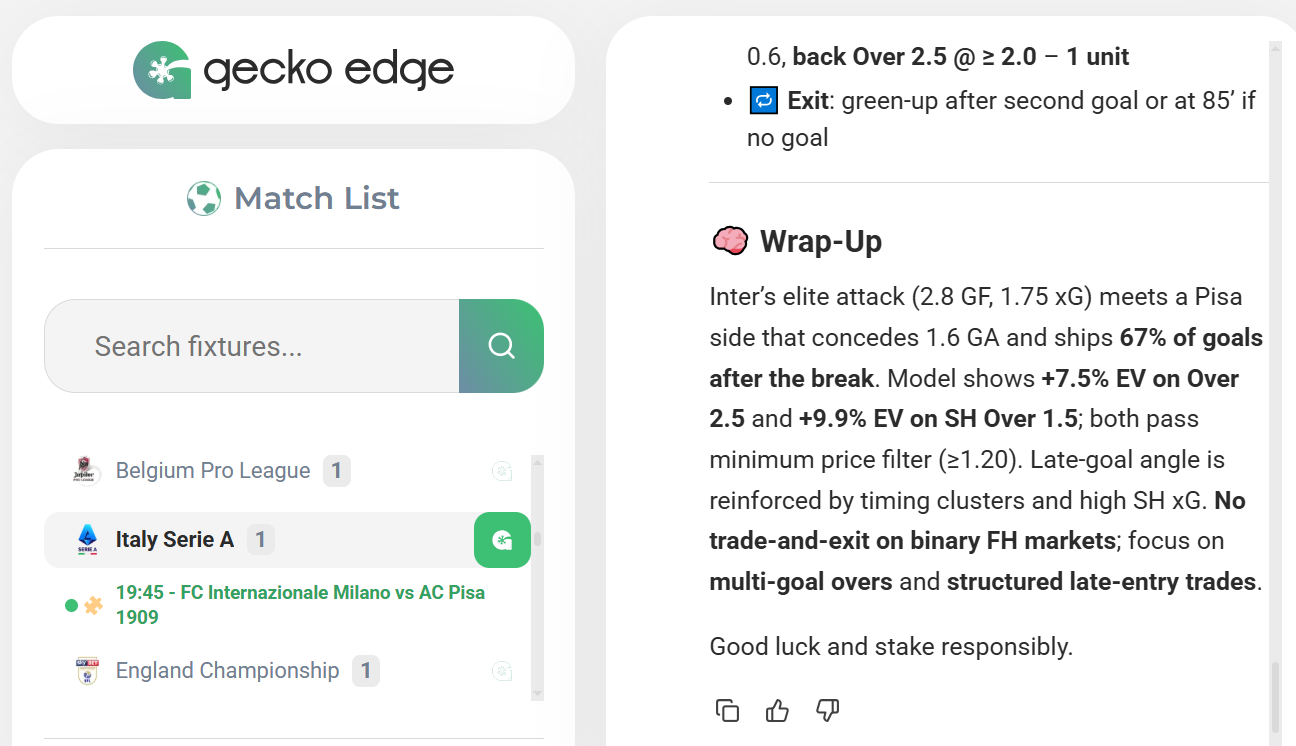
The Importance of Testing and Tracking Over Time

One of the strengths of Honest Betting Reviews is its emphasis on trial-based evaluation, as seen in long-running assessments such as the Trade On Sports review, which analyses real performance over months rather than relying on early impressions.

This approach is equally valuable when evaluating bonuses and incentive structures.

Players should track:

  • How often the bonus actually activates
  • Whether conditions push them into higher-risk bets
  • Net gain or loss after all wagering requirements
  • Impact on overall bankroll stability
  • Long-term ROI compared with play on sites without the bonus

Tracking results over time dispels misconceptions. A deal that looked promising initially may provide negligible benefit when reviewed over ten or twenty sessions.

Conversely, a modest-looking cashback program may quietly support long-term profitability far more effectively than flashy welcome bonuses.

Watch Out for Psychological Triggers Hidden in Bonus Designs

Many promotional structures are designed to shape user behaviour, encouraging greater volume, faster play or more frequent deposits. While these features aren’t inherently harmful, they can distort decision-making if a player is not aware of them.

Common psychological triggers include:

  • Near-miss bonuses that unlock only when close to a threshold
  • Time-limited boosts that encourage rushed betting
  • Tiered rewards that make players feel obligated to “not waste progress”
  • Progressive challenges designed to accelerate play volume

Understanding these triggers helps bettors recognise when a promotion aligns with their strategy and when it nudges them into patterns that erode long-term results.

The Bottom Line: Sustainable Value Comes from Structure, Not Size

Long-term value in bonuses and incentives has almost nothing to do with how large the bonus appears. Instead, it emerges from:

  • realistic wagering requirements
  • stable and repeatable incentive structures
  • transparent terms
  • alignment with a bettor’s normal volume and discipline
  • measurable, trackable impact on ROI

A promotion is beneficial only when it reinforces good bankroll habits, supports strategic betting patterns and reduces long-term volatility rather than inflating it.

Players who learn to evaluate bonuses analytically, rather than emotionally, set themselves up for more resilient, disciplined gambling behaviour. Incentives are tools; their value depends entirely on how intelligently they fit into the broader approach.